
Our work
Civic Participation and Economic Opportunity
Presence in real institutions. Chambers, agendas, microphones, newsrooms, boardrooms and the public record.
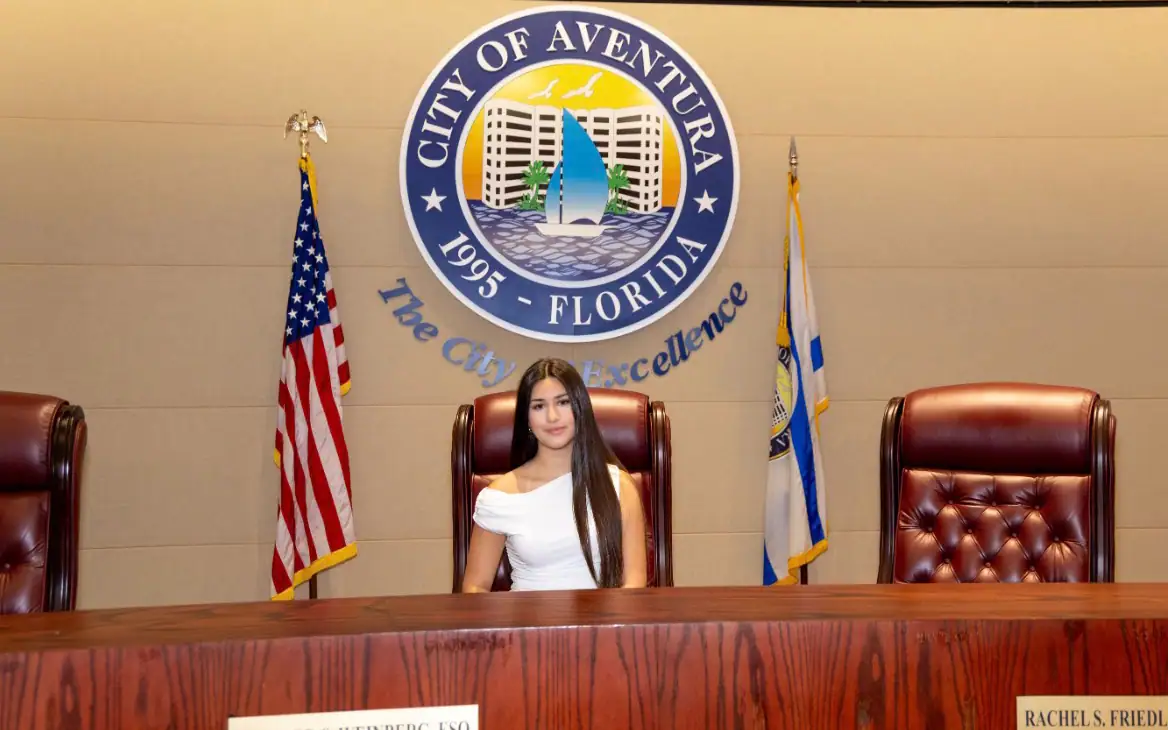
Civic participation begins long before a ballot is available.
70% to 29%
Young people who interacted with their community often believed they could make a difference there, at 70 percent. Among those who never did, that fell to 29 percent.
Source: CIRCLE, Tufts University
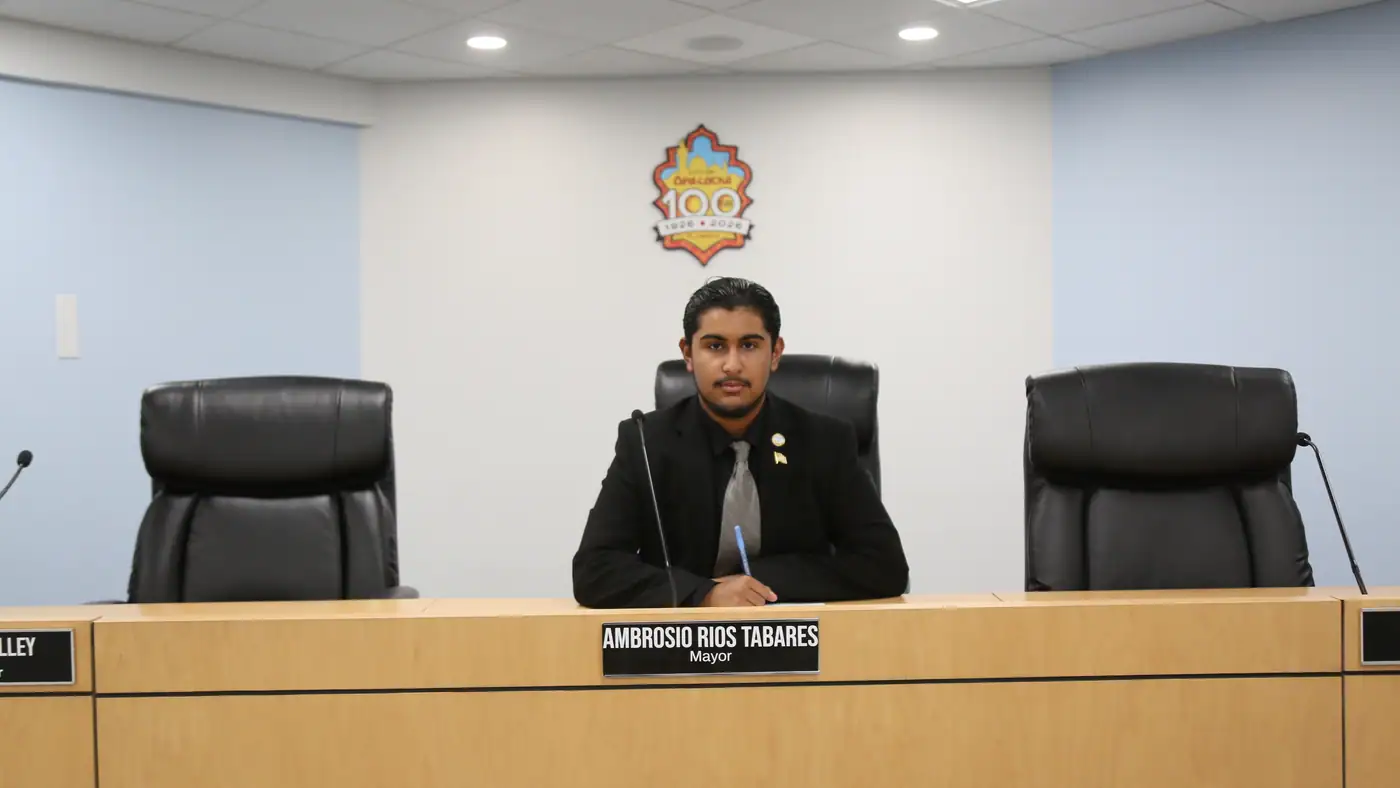
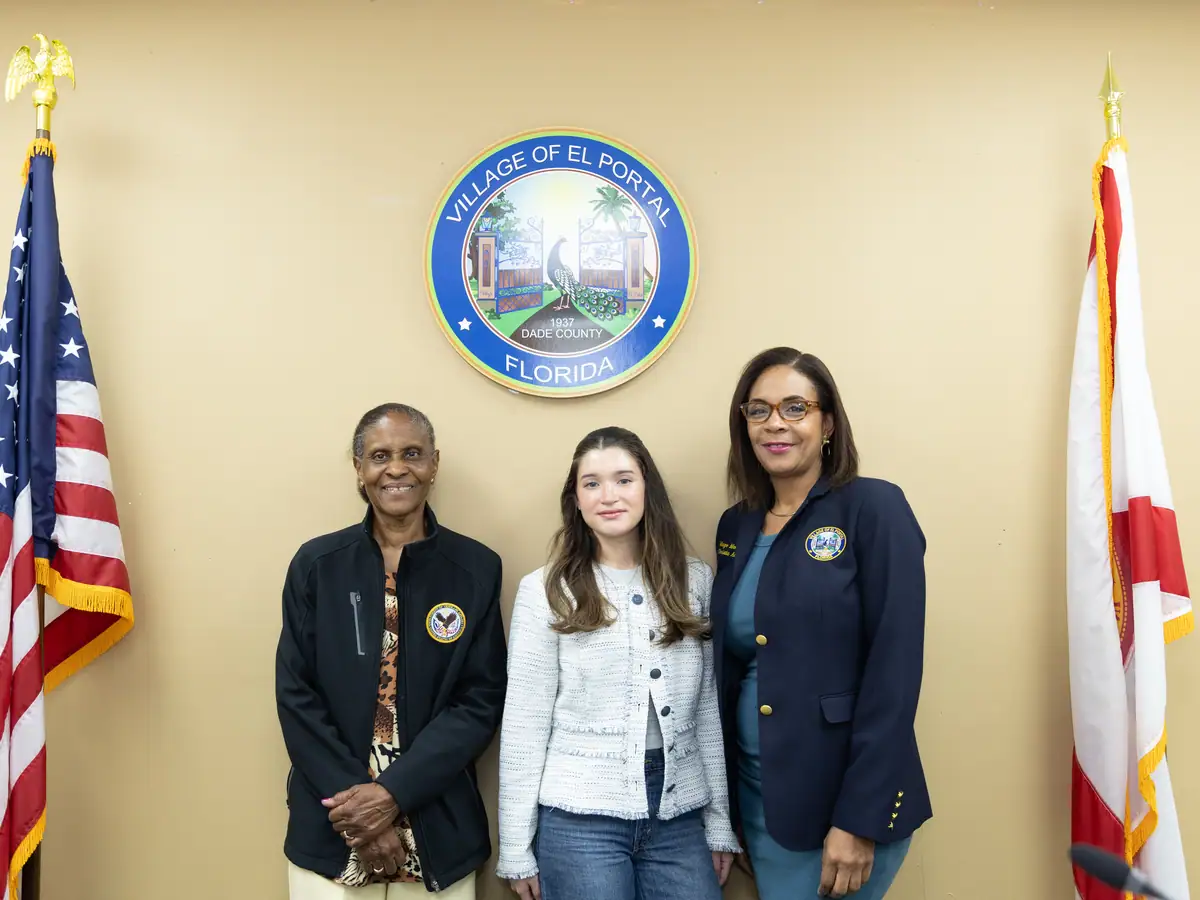
Twenty three municipalities have handed a student the chair. Fellows have carried a drafted framework into the Board of County Commissioners.
Civic Action Podcast
Since 2023
Students ask the questions.
A student hosted interview series that puts the people running Miami-Dade institutions across the table from the young people their decisions land on.
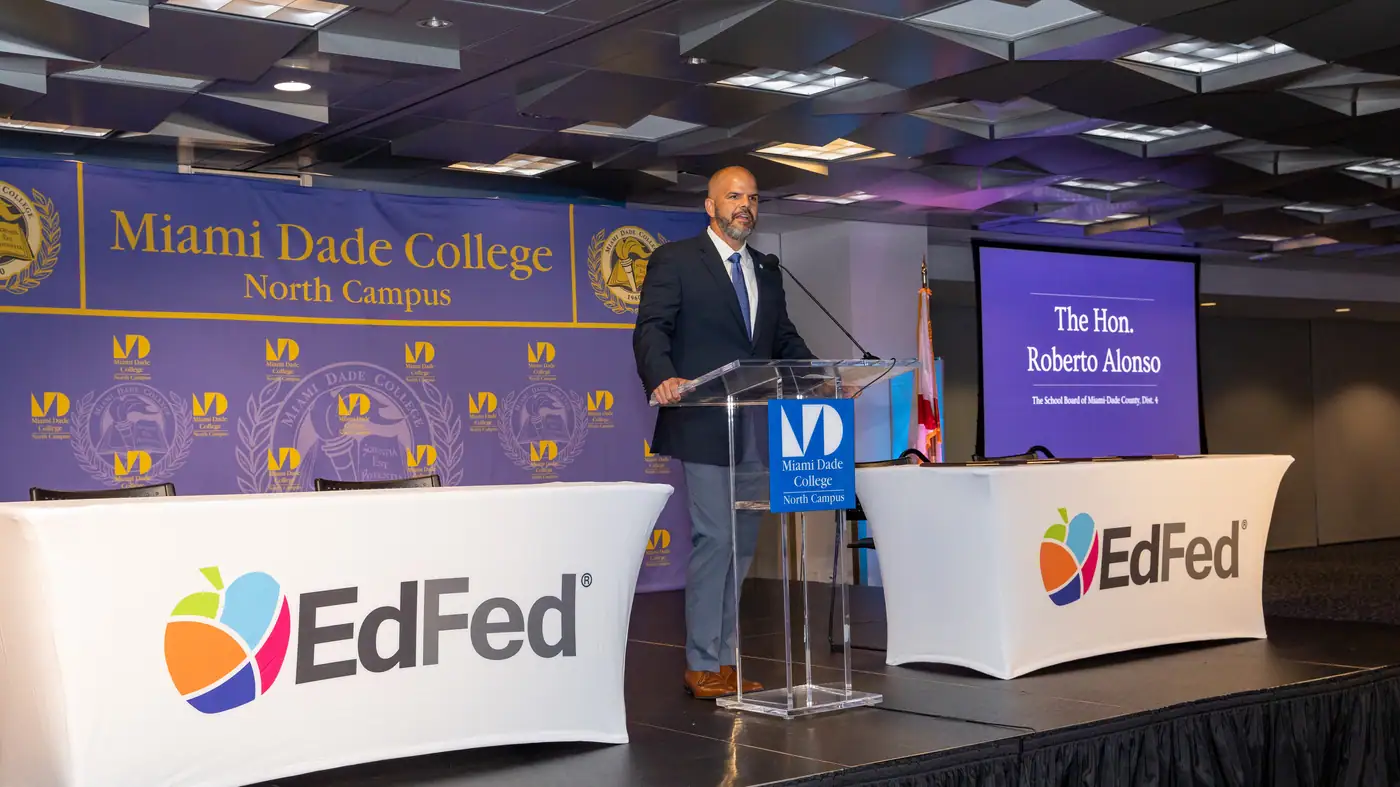
Students research a guest, write the questions, run the interview and publish the episode. Guests have included the Superintendent of Miami-Dade County Public Schools, a member of the School Board, the chief executive of The Children's Trust and the president of Miami Dade College.
What students leave with. Interview skill, subject command and a public record with their name on it.
The question
What do young people ask when nobody screens the questions first?
The experience
Weeks of preparation, then a recorded conversation with a decision maker.
The work
Research briefs, question sets and published episodes.
The result
Episodes have reached more than 2,063 students.
2,063
students reached through podcast episodes.
Access to decision makers usually requires a title. This program hands it to students with questions.
Youth Governance Day
Since 2024
For one day, Miami-Dade changes hands.
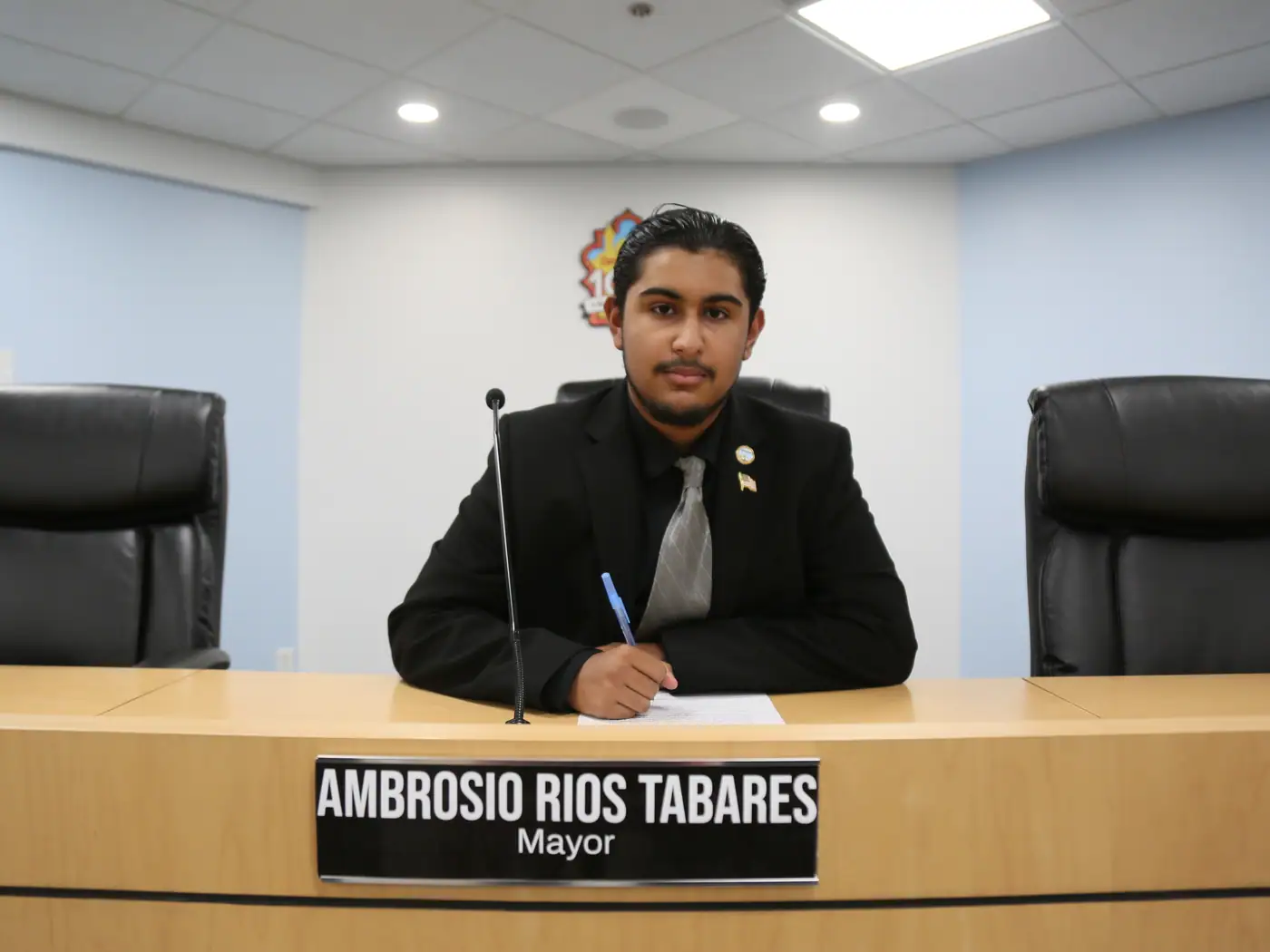
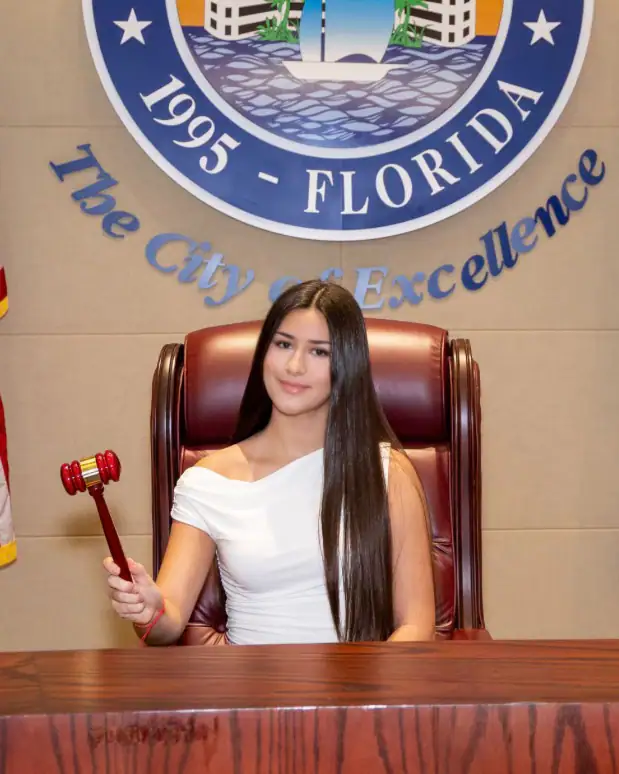
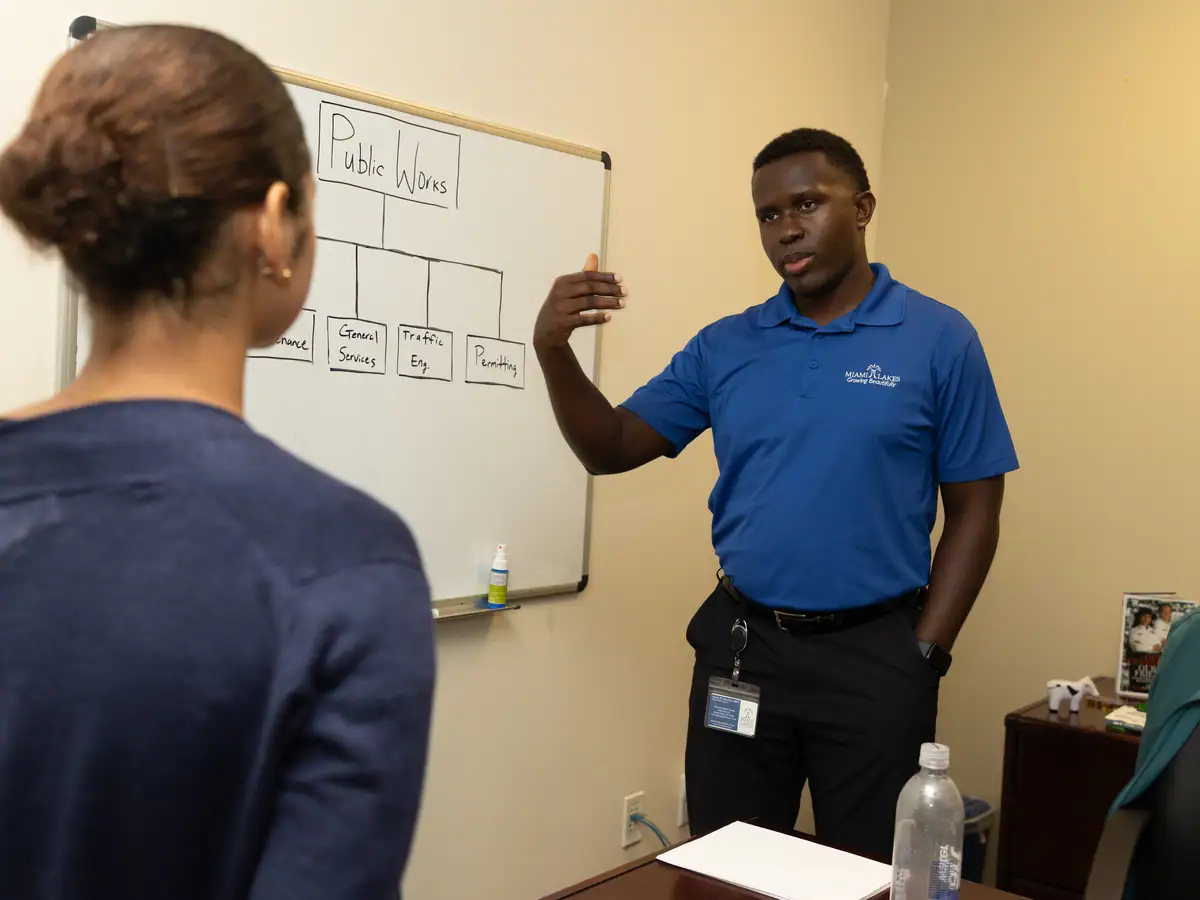
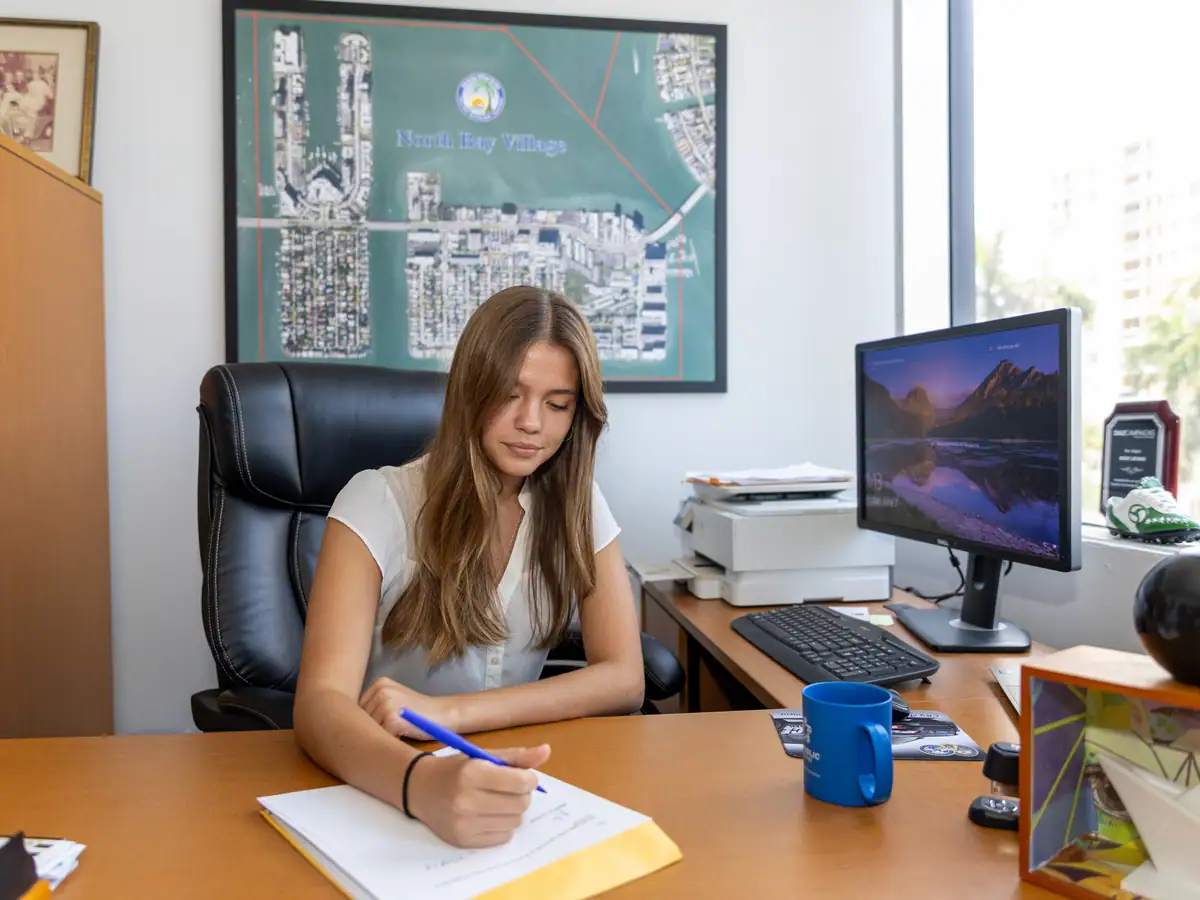
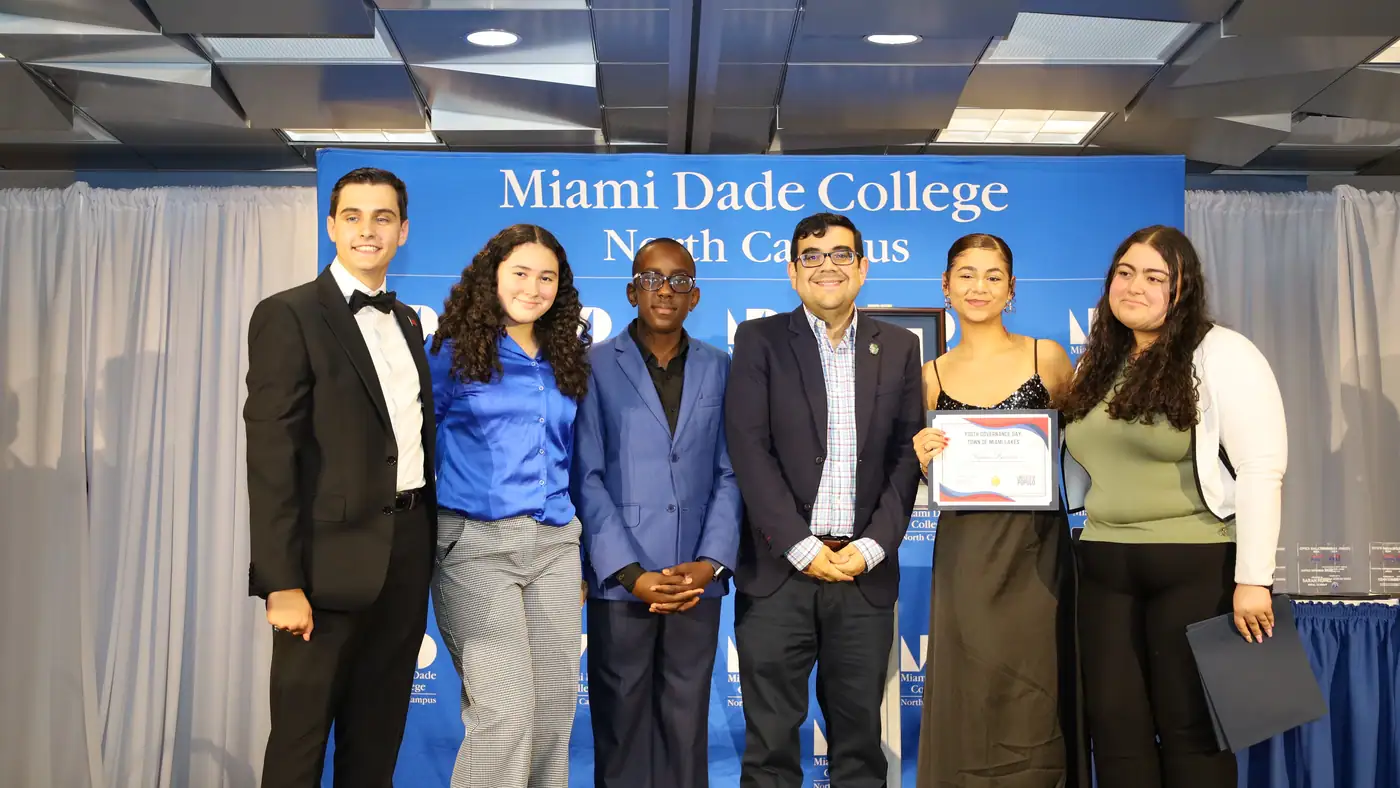
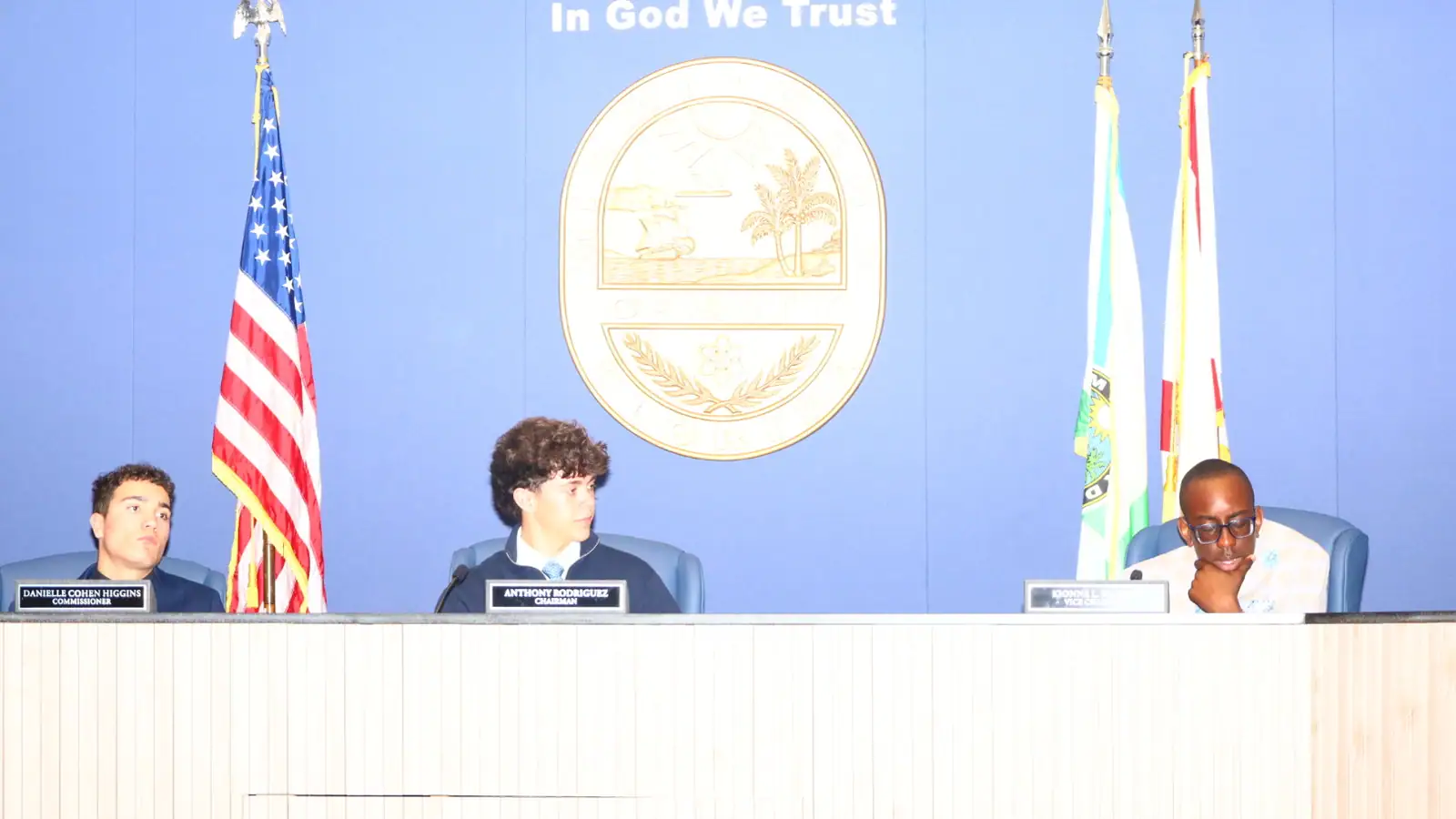
Students take the roles of mayors, council members, managers and constitutional officers across participating municipalities. The program runs the day after the school year ends and was officially proclaimed in Miami-Dade County in 2024.
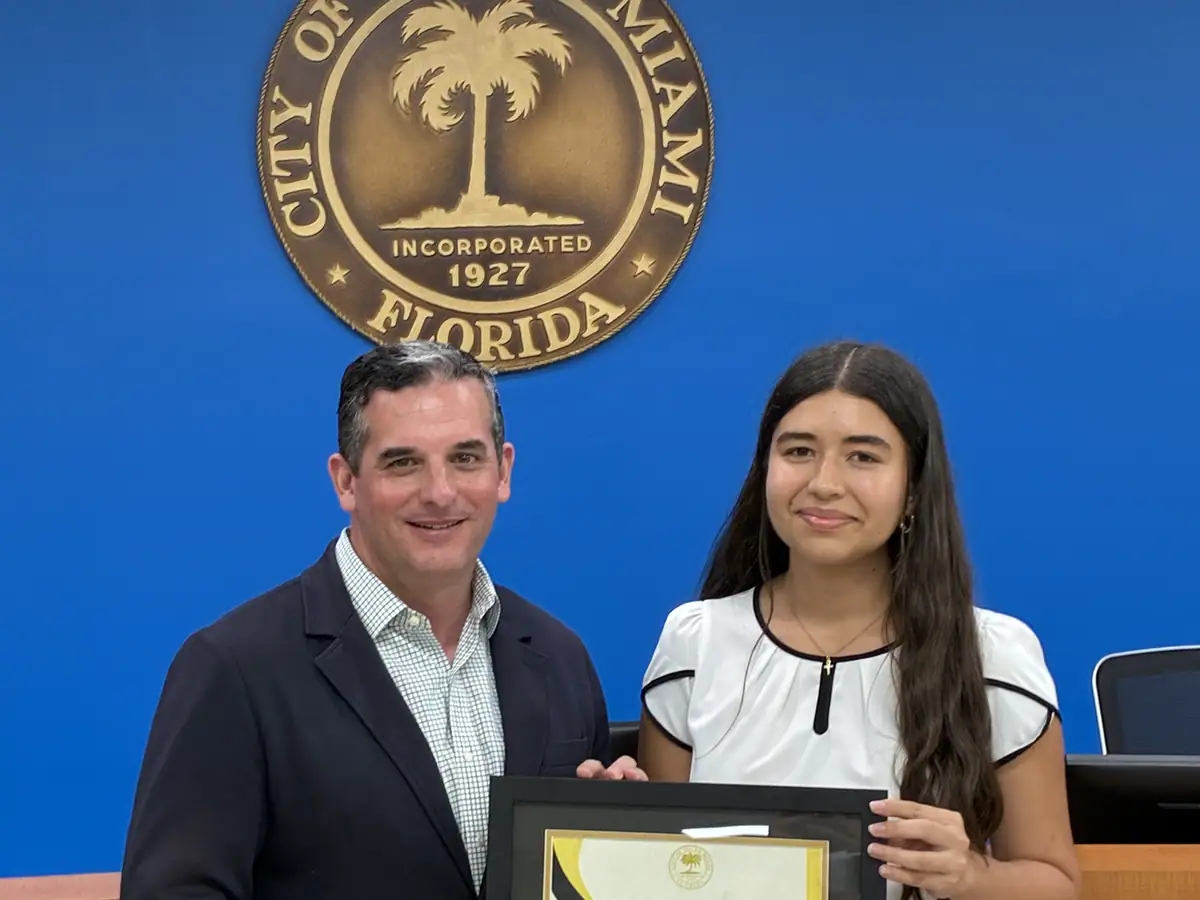
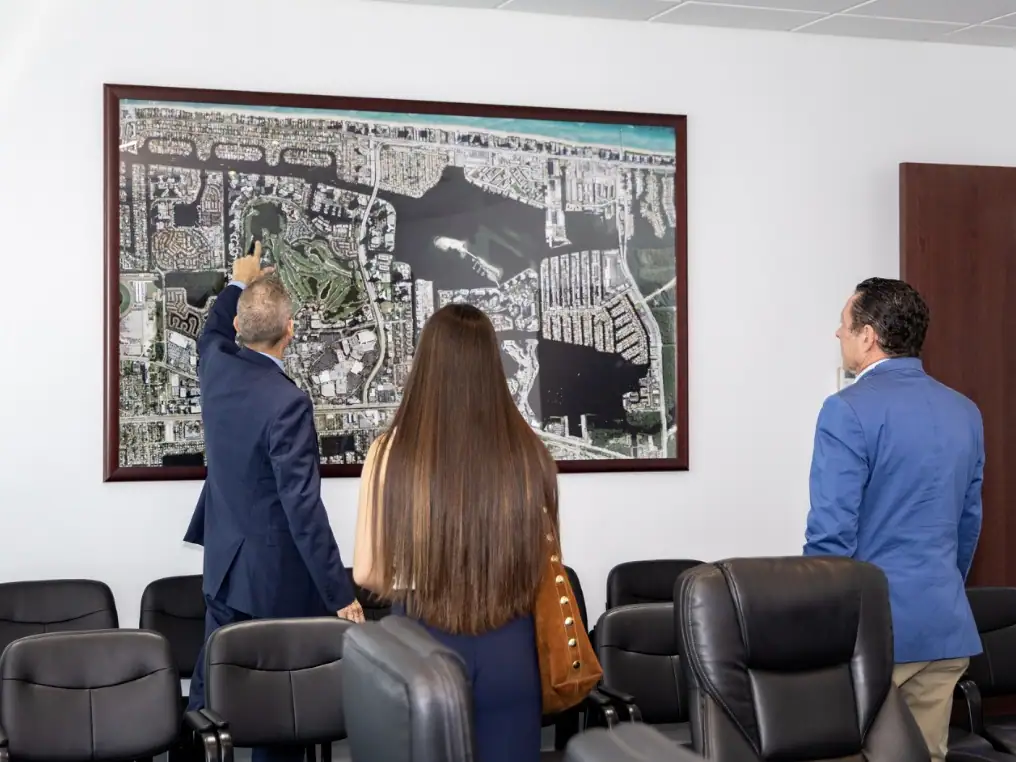
Students are briefed by the staff who hold the job, sit at the dais, take the seat with their name on it, review real municipal issues, meet department directors and in many cities are formally recognized on the record.
What students leave with. A working map of local government, and the memory of having been treated as someone whose presence in that chair made sense.
The question
What changes when a young person sits in the chair instead of the audience?
The experience
City halls, council chambers, manager offices and constitutional offices across the county.
The work
Briefings absorbed, questions asked on the record, recognitions received.
The result
Twenty three municipalities have participated since the program began, nineteen of them in the most recent year.
23
municipalities have participated since 2024.
Government stops being abstract once you know the name of the person behind the desk and have sat in the room yourself.
Florida Student School Board Member Initiative
Since 2024
No decision about students without students.
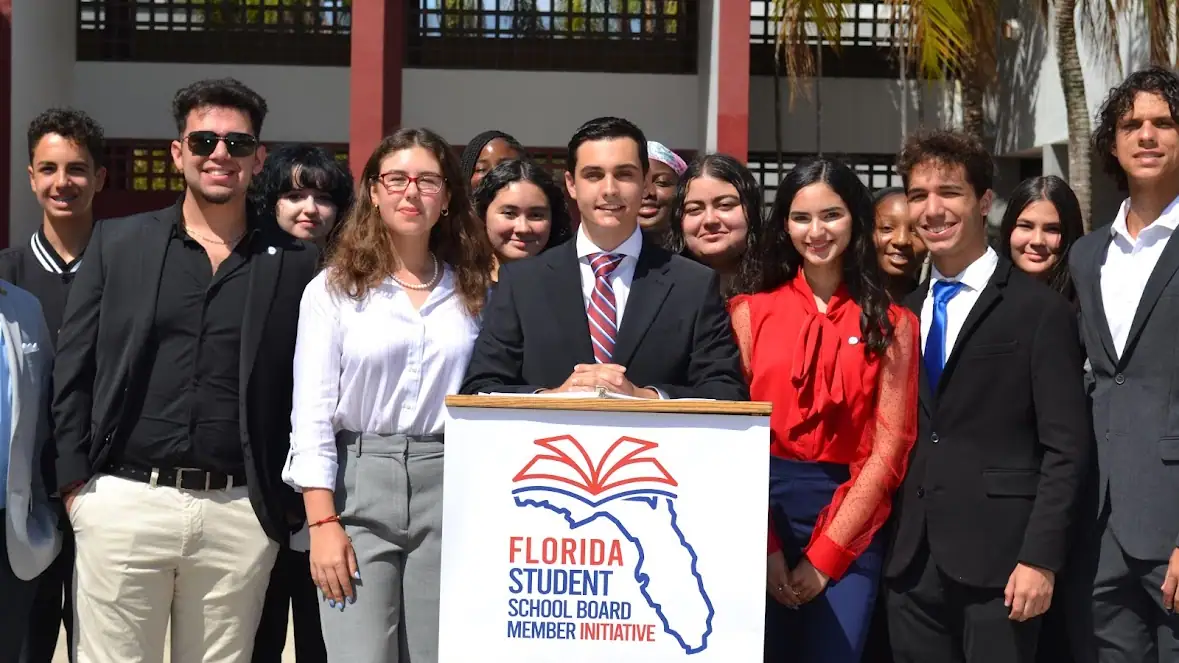
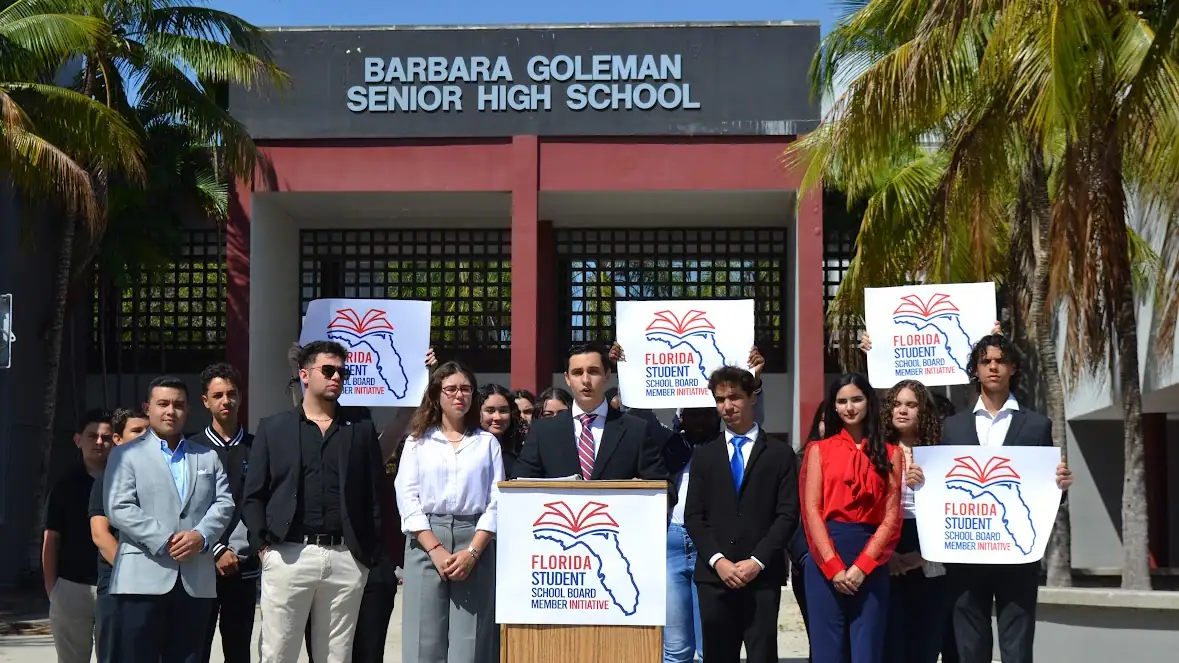
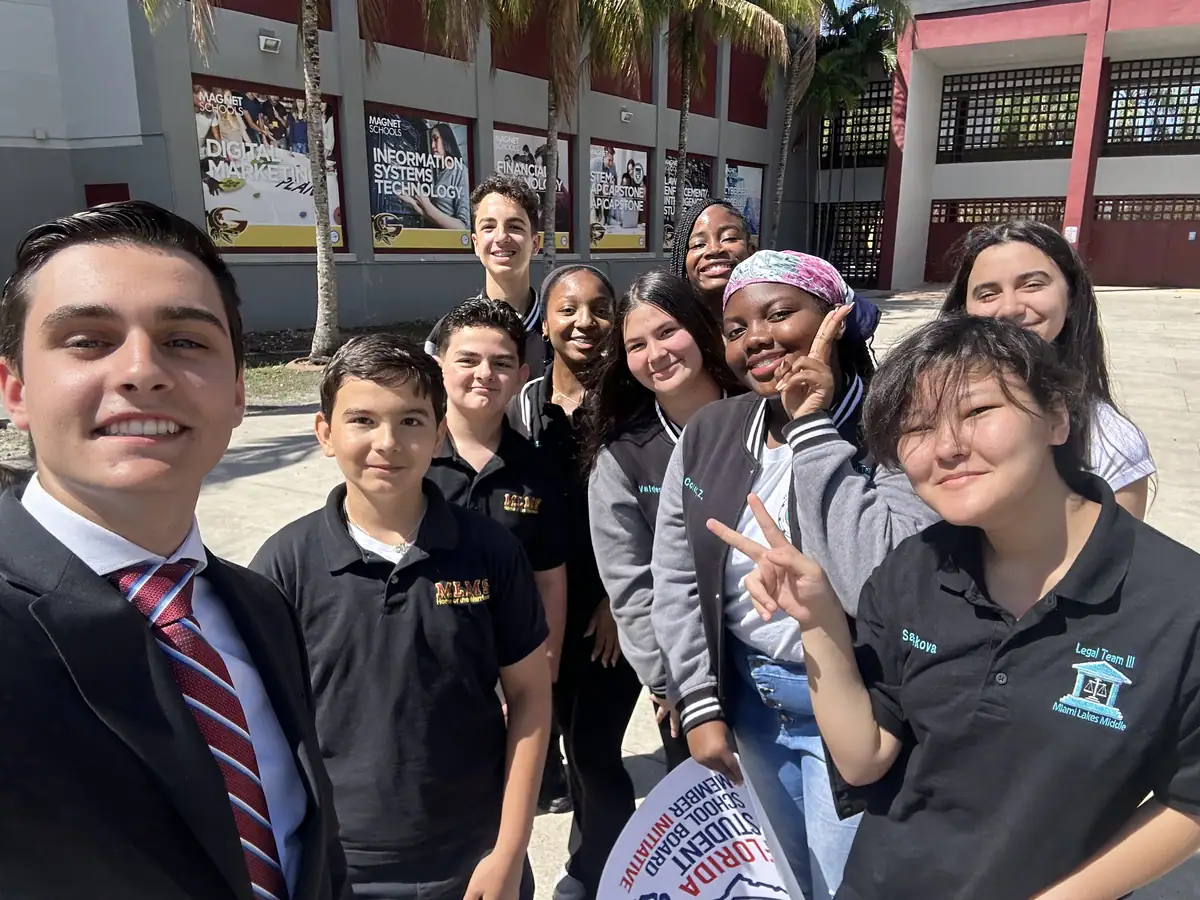
A student led campaign to secure student representation on school boards across Florida. Only five of the state's sixty seven counties currently seat a student advisor.
Students research district governance, build the case, connect with student leaders in other counties, and take the proposal to elected officials and the state legislature.
What students leave with. Direct experience of how an idea becomes a proposal and a proposal becomes a legislative ask.
The question
Why do most Florida students have no seat where their education is decided?
The experience
School campuses, district offices, community coalitions and the state legislature.
The work
Legislative research, coalition outreach and public advocacy for a statewide mandate.
The result
The initiative moved from grassroots outreach to advocacy for a bill mandating student representation statewide.
5 of 67
Florida counties currently seat a student advisor on the school board.
Miami-Dade has seated a student advisor since the 1960s. The third largest district in the nation shows it can be done.
Civic Excellence Gala
Each May
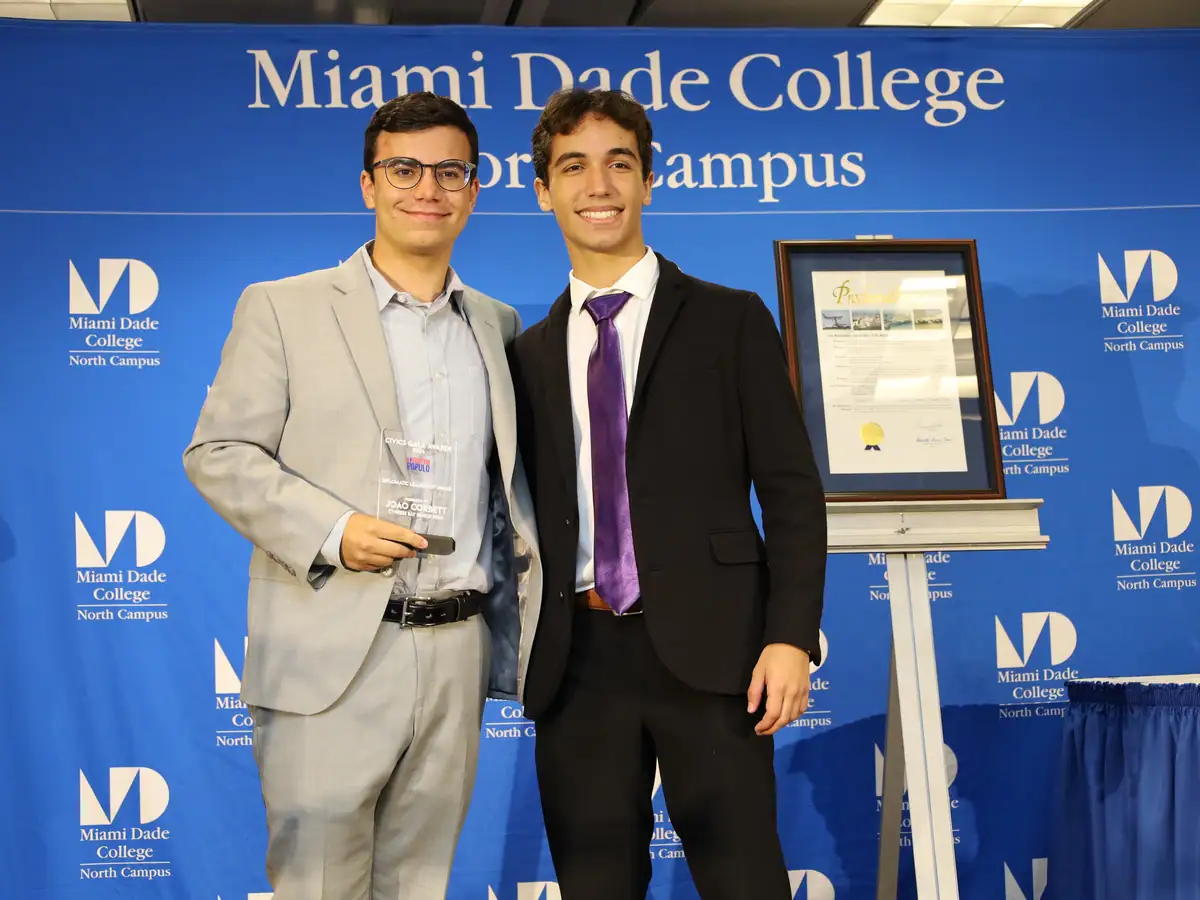
The night the work gets counted.
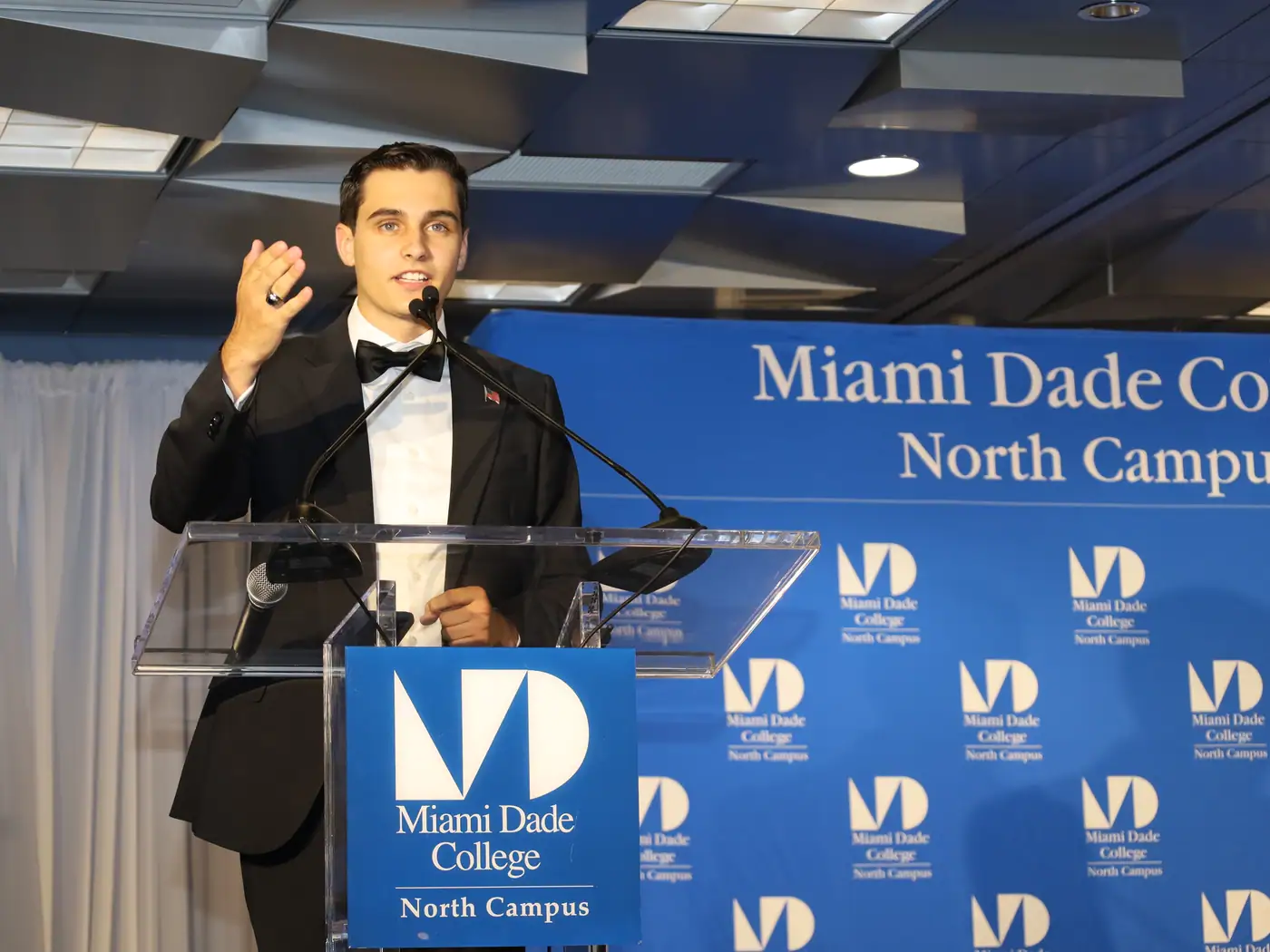
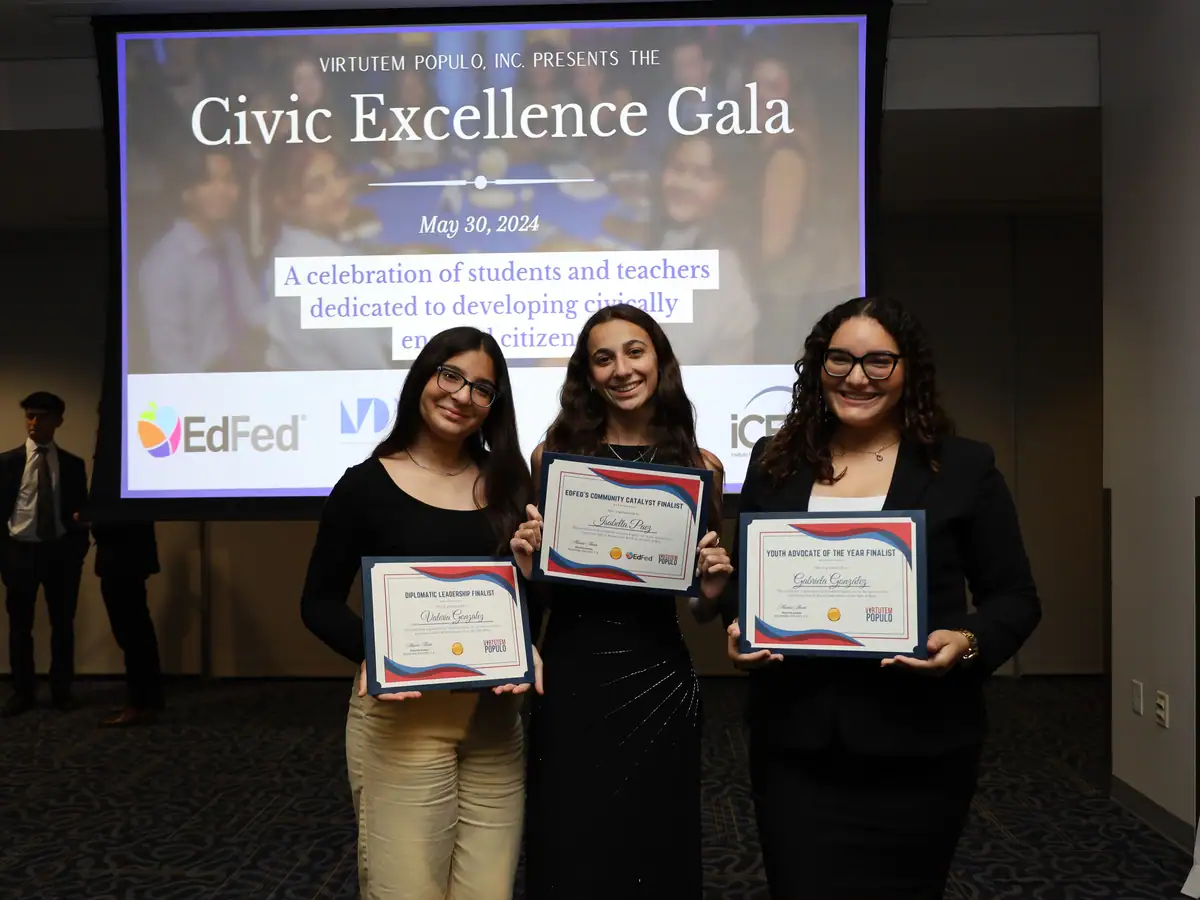
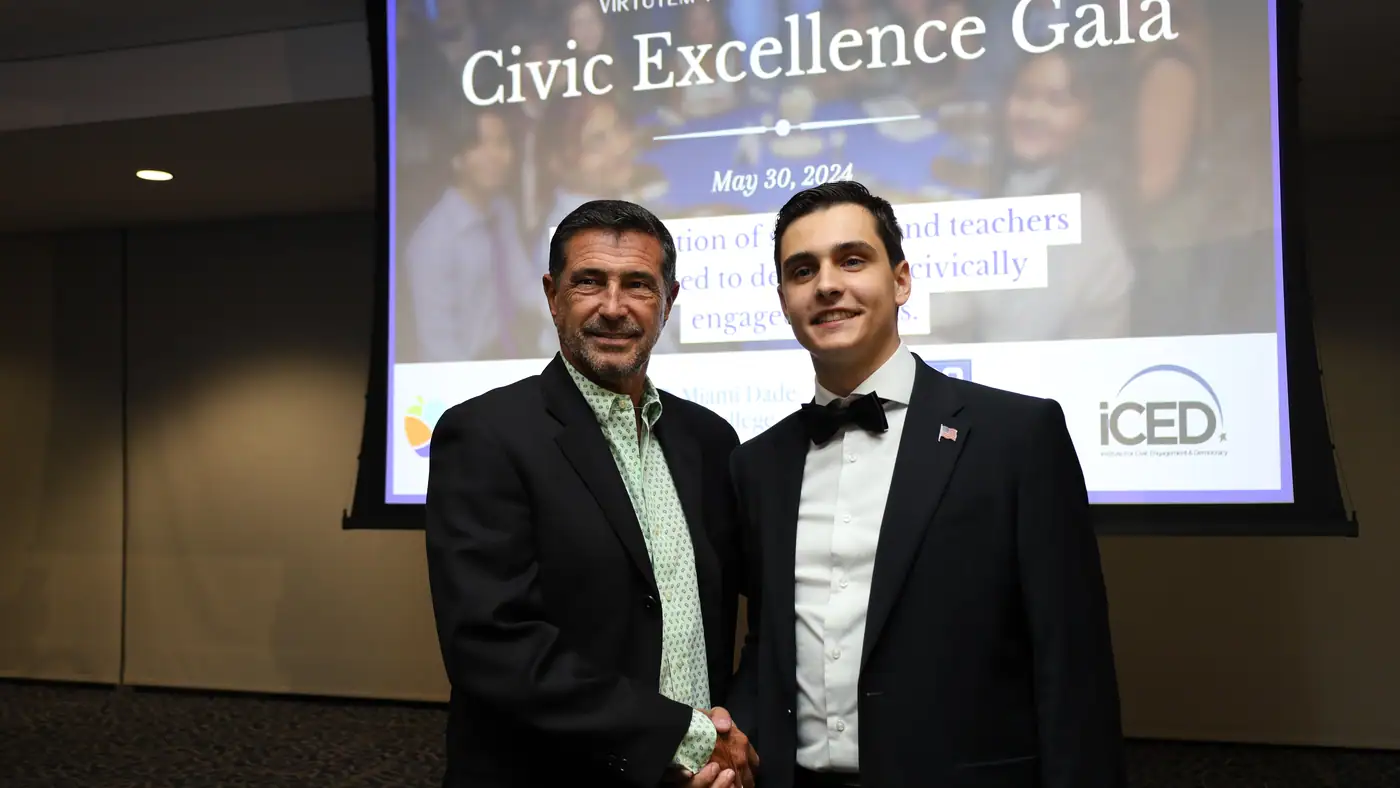
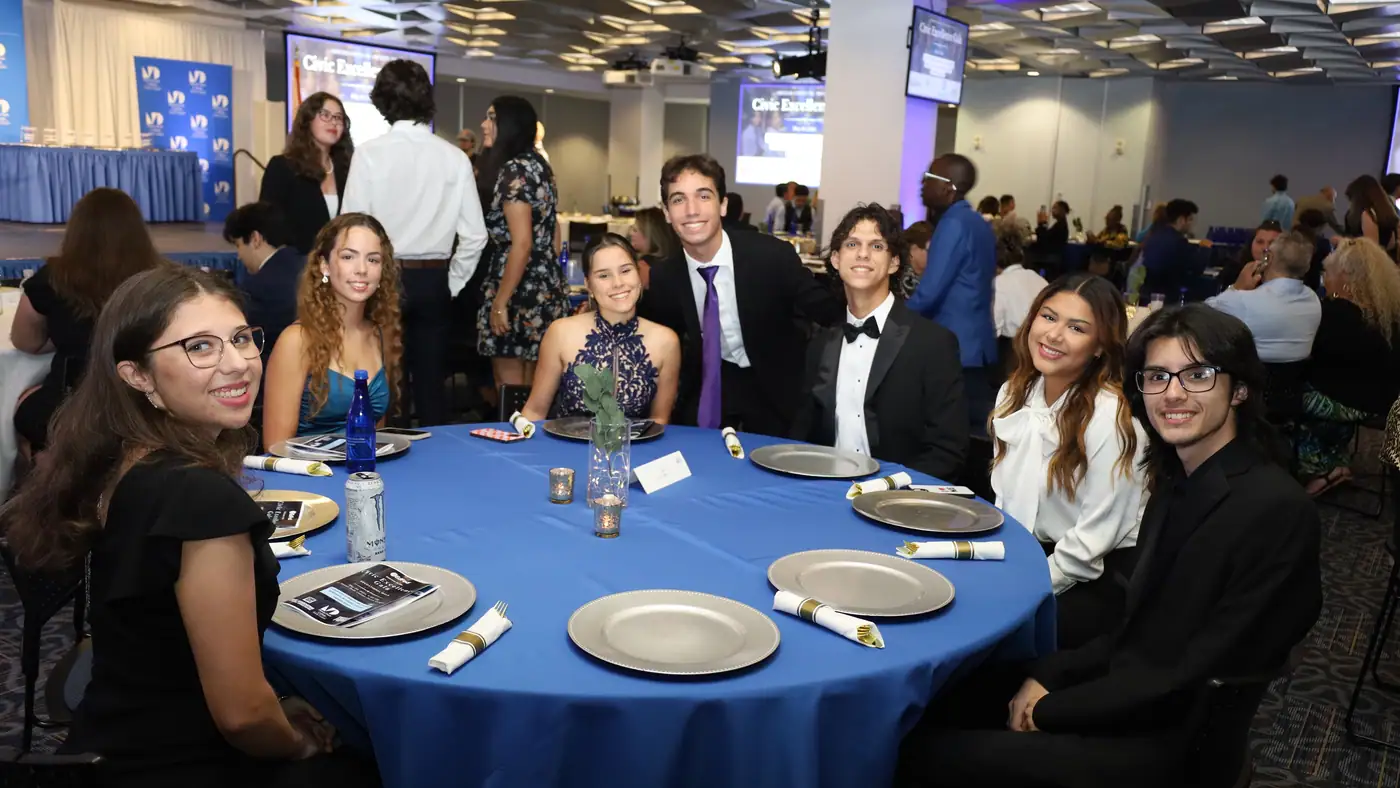
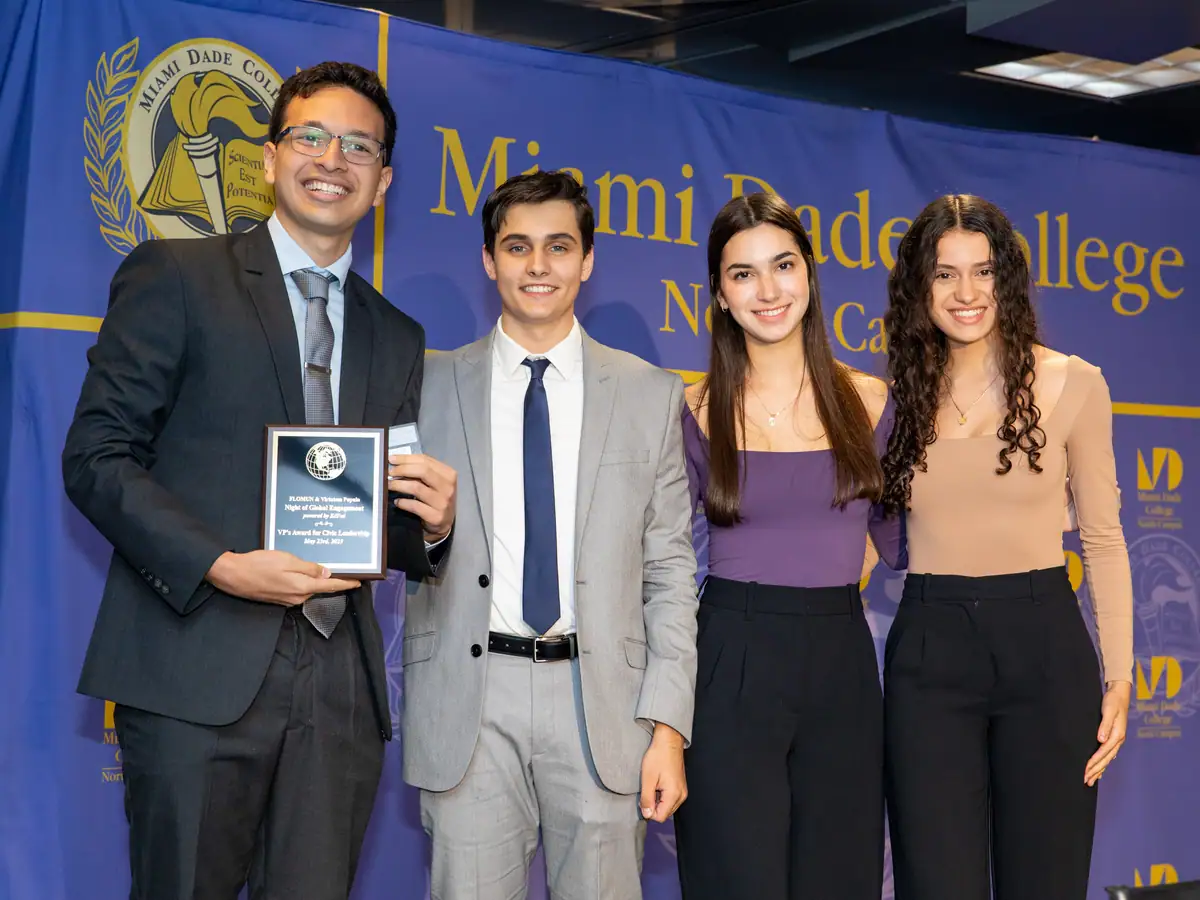
An annual evening where student leadership is recognized in front of the elected officials, educators, funders and families who make the year possible. Students run the program, write the remarks and give the awards.
Students produce the event, deliver the addresses, honor peers whose projects made a measurable difference and present the year's results to the people who funded them.
What students leave with. The experience of standing in front of a room of adults with authority and being listened to.
The question
Who decides which young people get recognized, and in front of whom?
The experience
A full ballroom of students, families, elected officials, educators and funders.
The work
Student written remarks, student run production, student selected honorees.
The result
More than four hundred guests attend, and the coming year of programming is funded in the room.
400+
guests at the Civic Excellence Gala.
Being named in public by an institution changes what a young person believes is available to them next.
Strive305 Economic Fellowship
Since 2025
Do not study the system from the outside. Enter it.
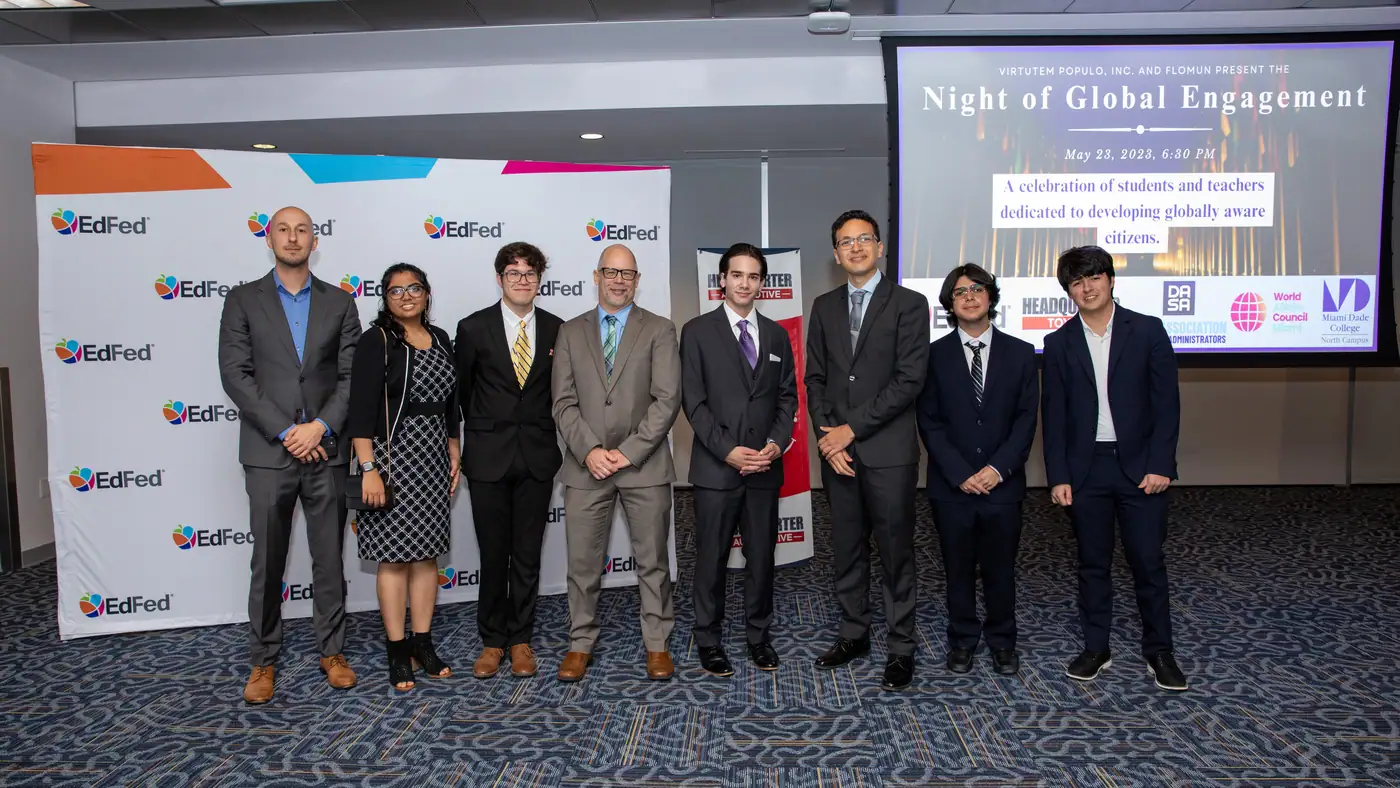
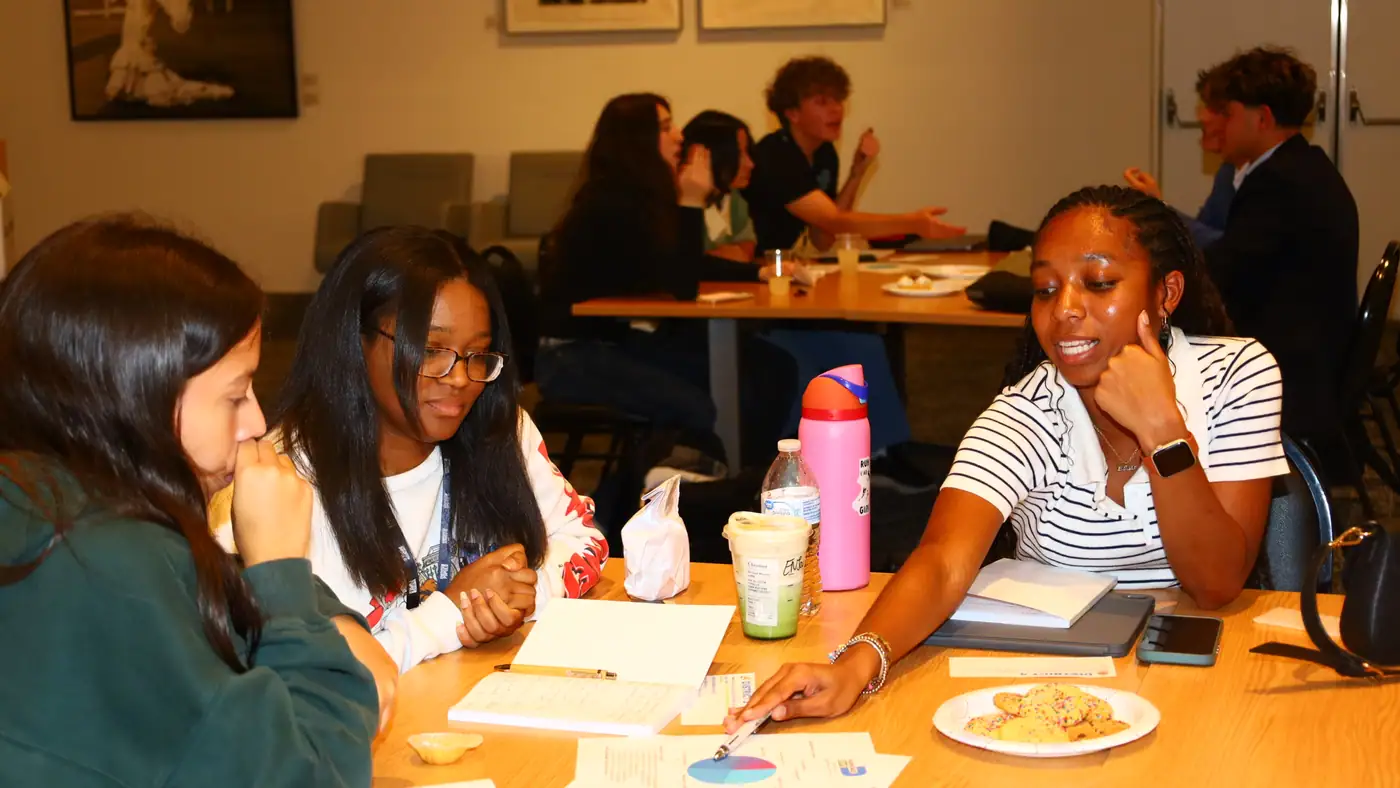
An intensive cohort experience built with Strive305 and the Miami-Dade County Office of Innovation and Economic Opportunity, connecting students to government, business, media, entrepreneurship and applied problem solving.
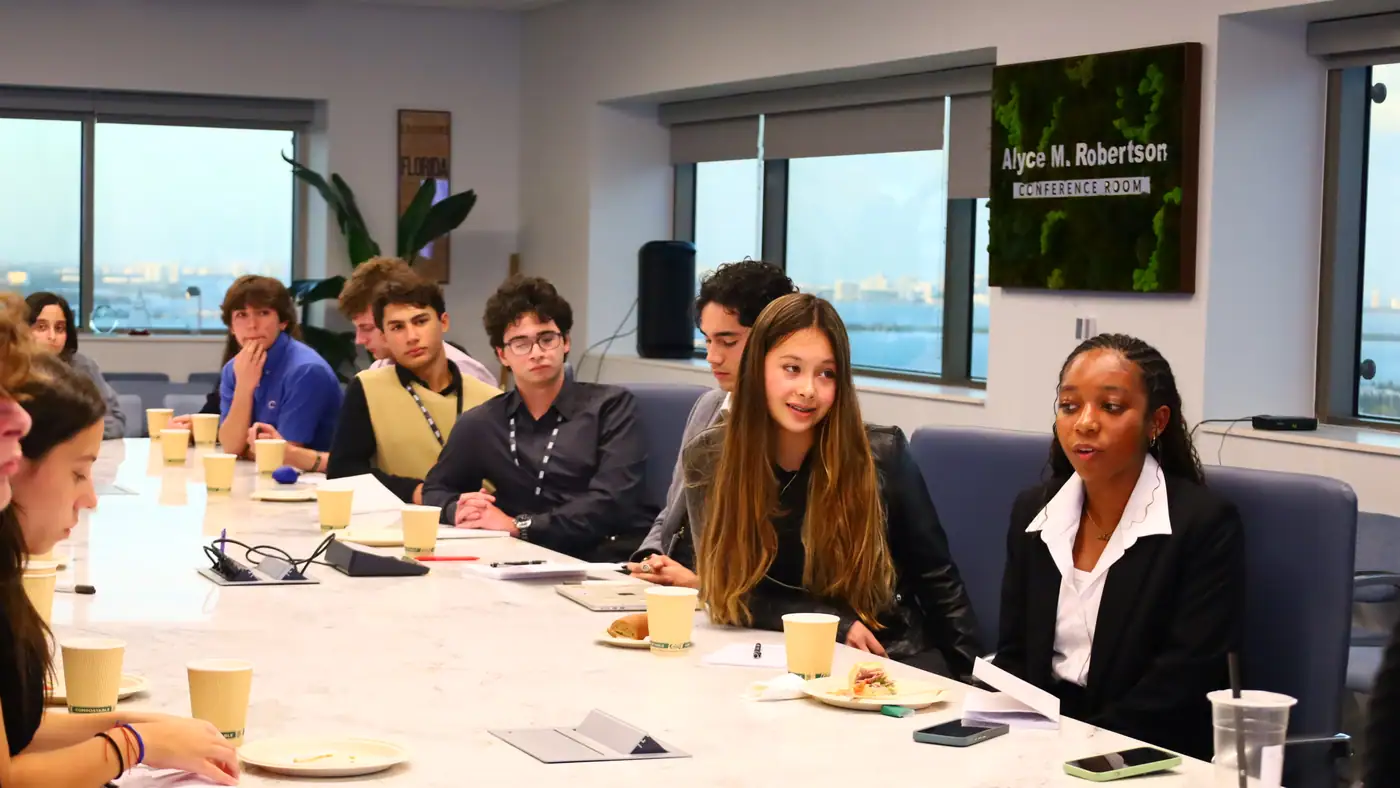
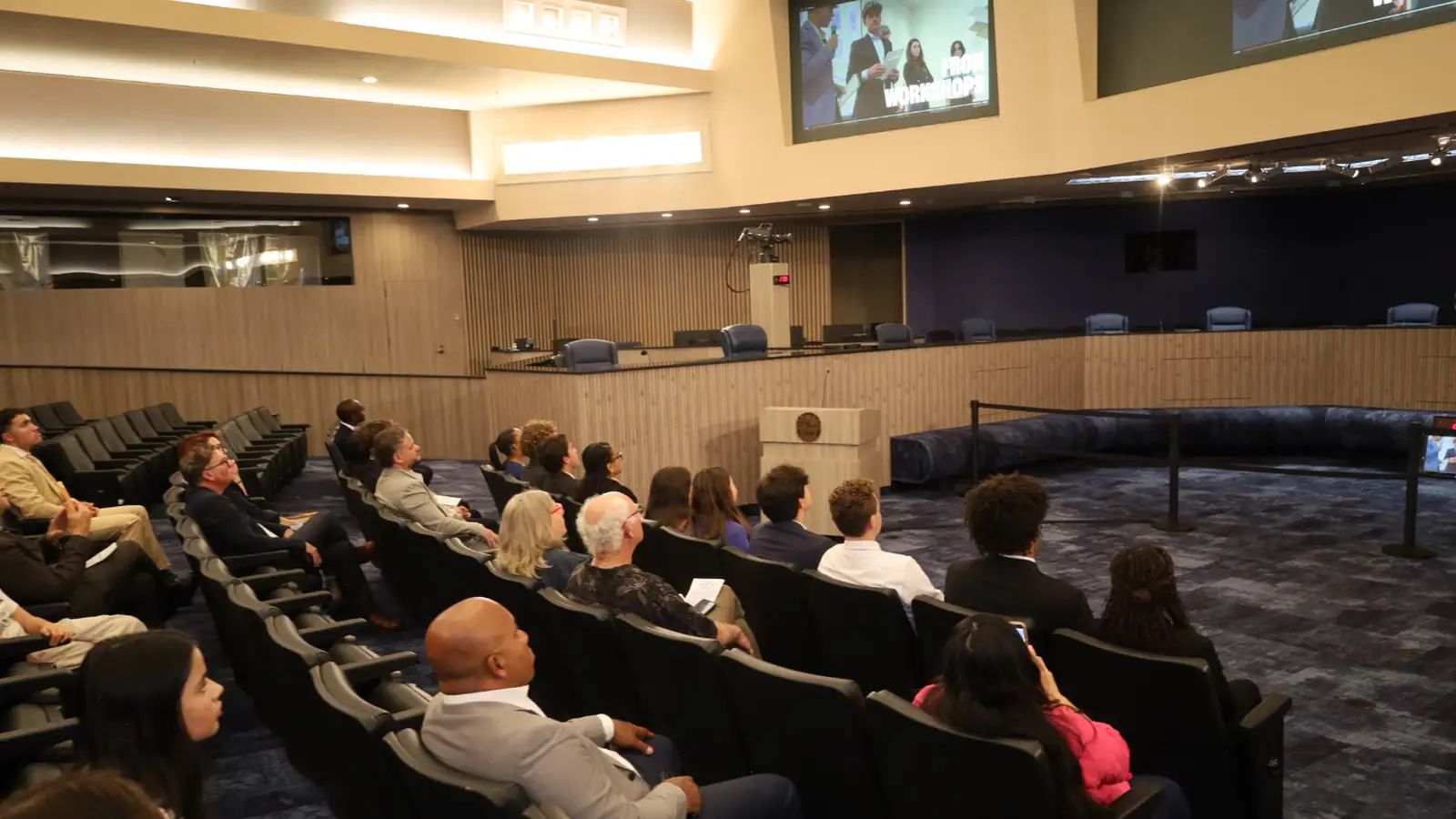
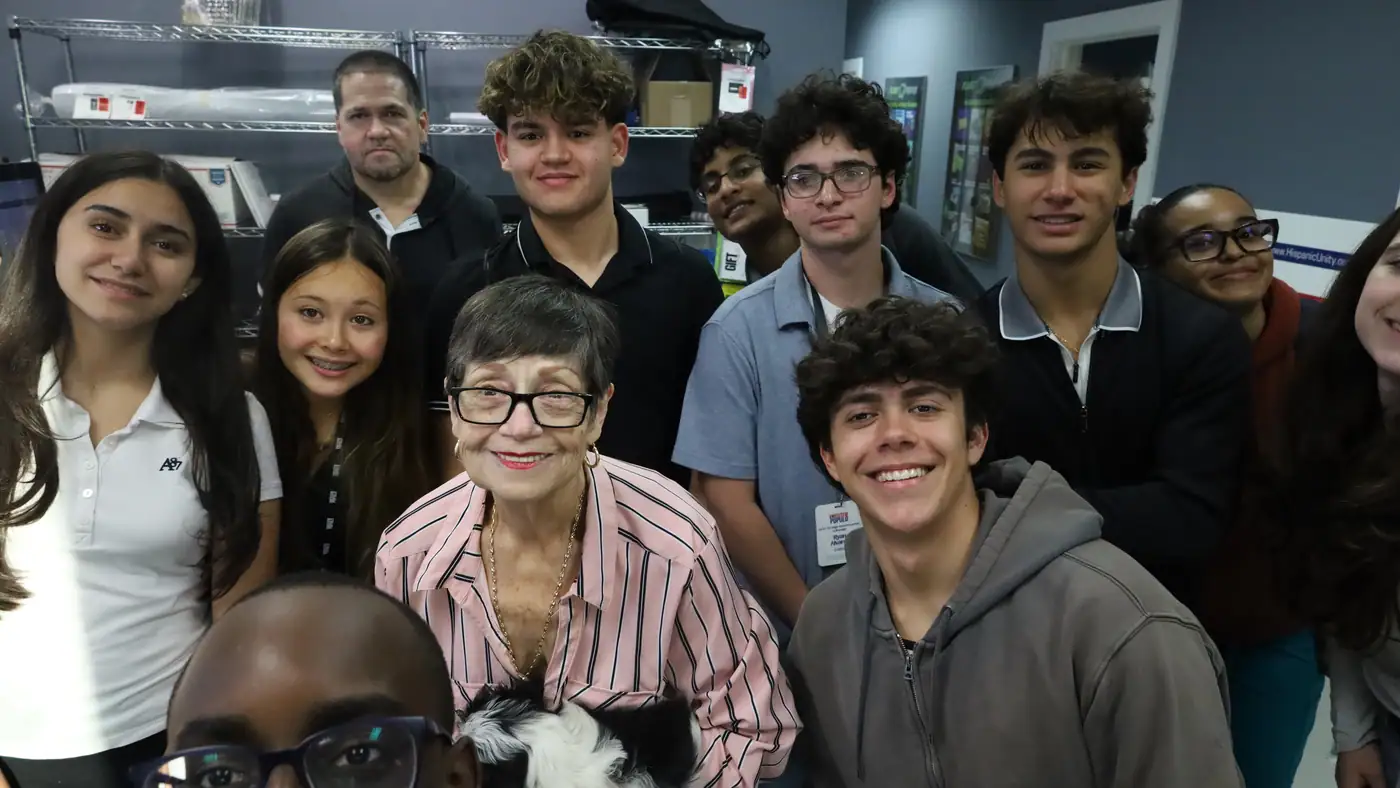
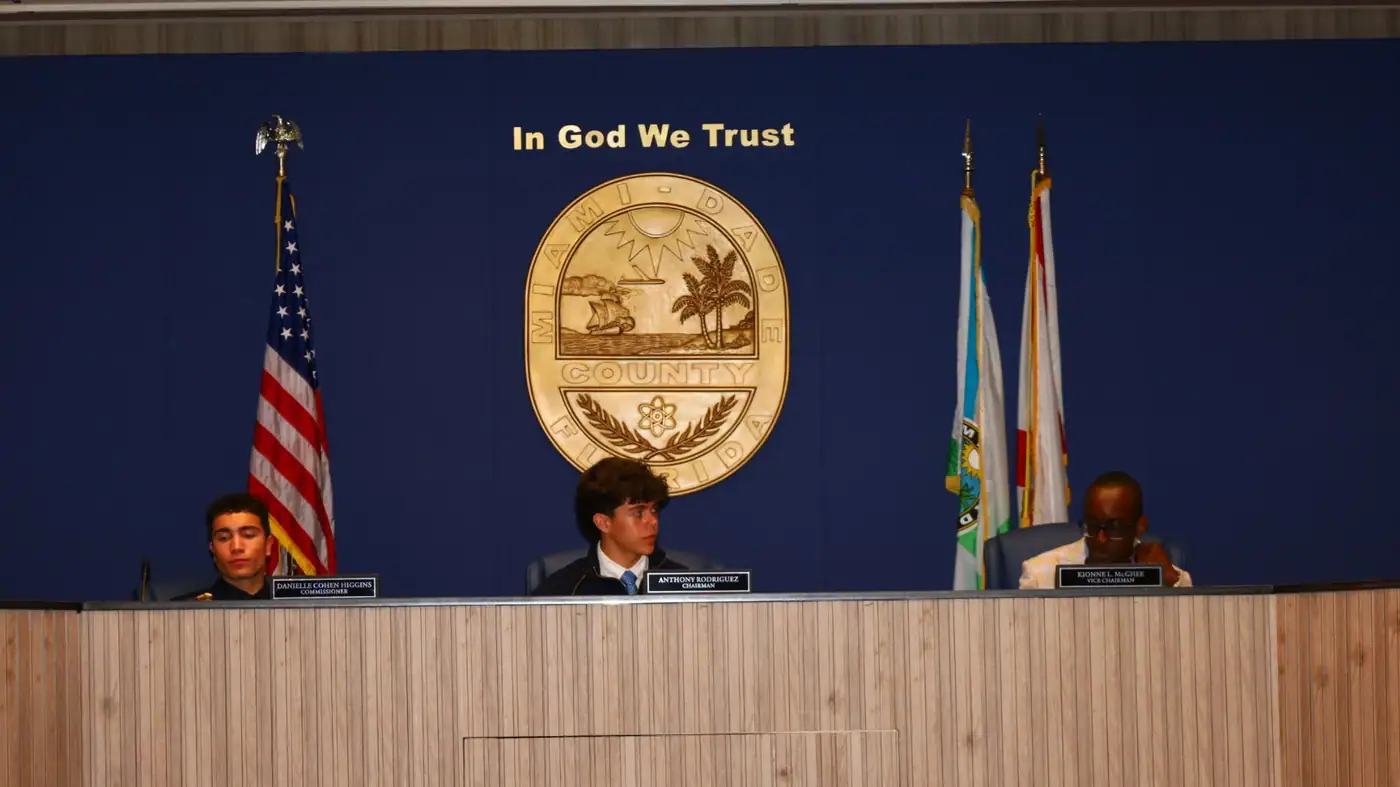
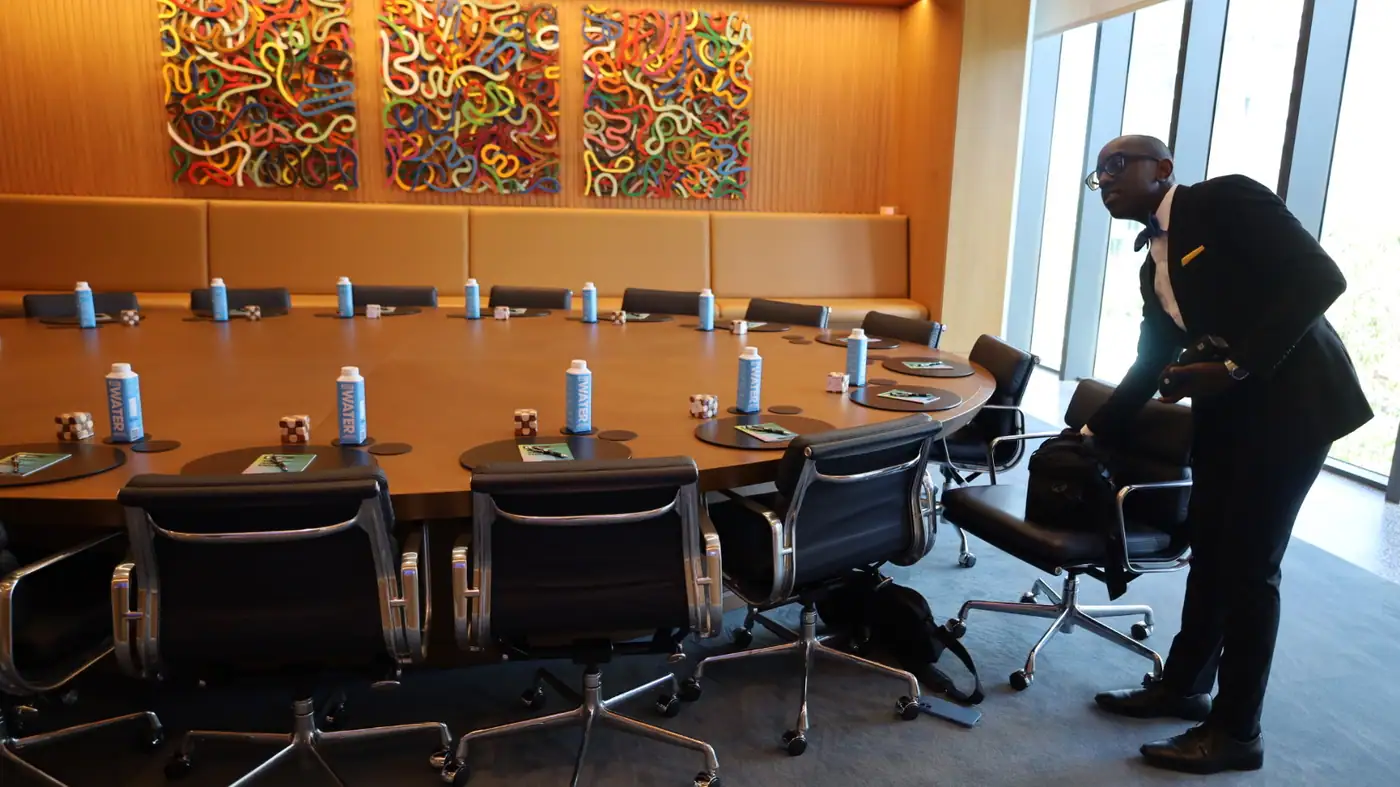
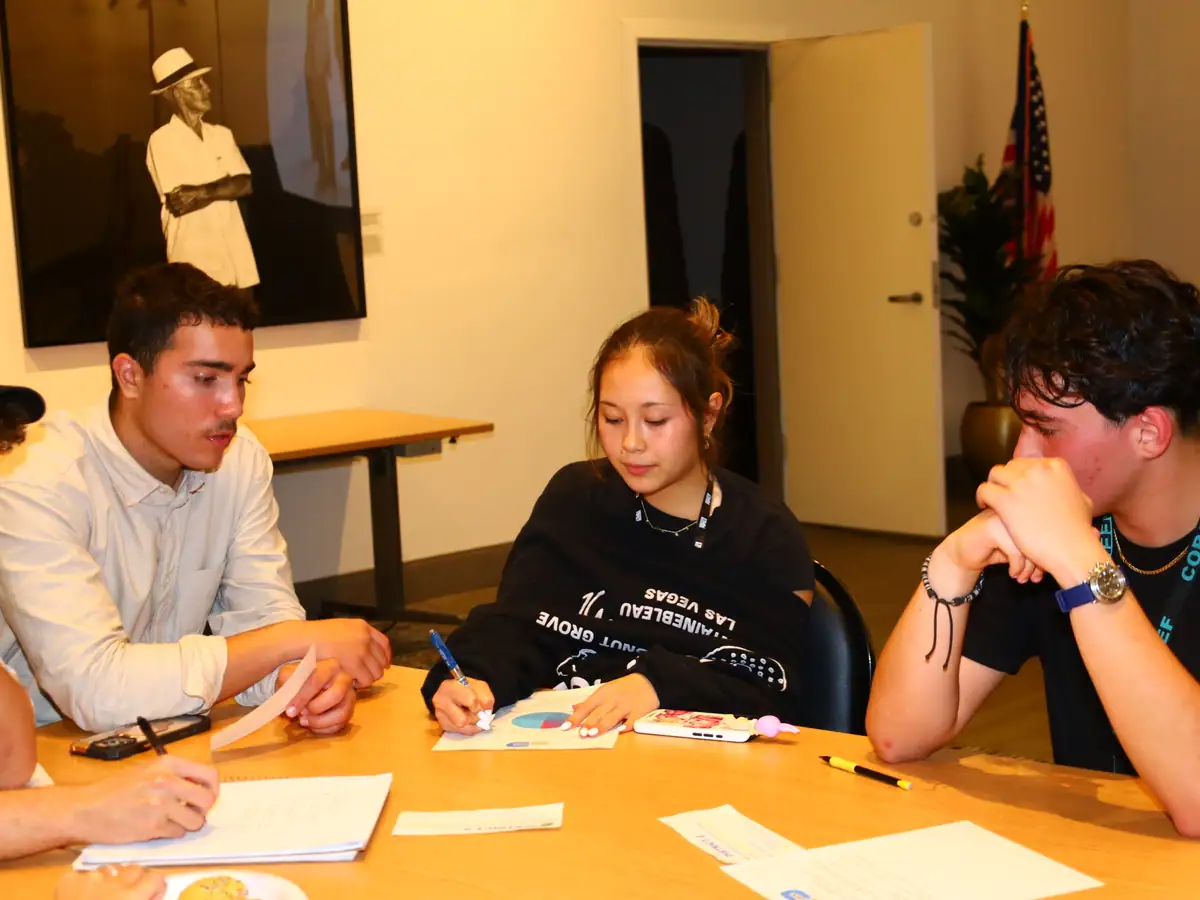
Fellows research economic questions inside public libraries, sit in a Brickell boardroom with the skyline they are analyzing behind them, learn reporting in a working newsroom, walk the floor of a neighborhood print shop, run a Board of County Commissioners simulation in the county chambers, build financial models and pitch developed proposals to judges and partners.
What students leave with. An economic vocabulary, a network of adults who know their name, and a proposal they defended in public.
The question
How does Miami's economy actually work, and who gets to shape it?
The experience
County Hall, a Brickell boardroom, PortMiami, a working newsroom, the MDC Idea Center, a national foundation office and three branches of the public library system.
The work
Research, interviews, policy development, budgeting and formal pitches.
The result
Fellows drafted a Legacy Business Framework to protect long standing local businesses and presented it to the Board of County Commissioners.
30
scheduled experiences in one cohort. Twenty three in person and seven virtual.
Confidence does not appear by accident. Students build it by entering unfamiliar rooms and being expected to perform.
Speak Out September
Your city. Your voice. Right now.
A countywide campaign encouraging young people to attend public meetings in their own municipality and participate through informed public comment.
Students find the agenda, read the item, prepare remarks that fit the time limit, sign up at the podium and speak on the record.
What students leave with. A constitutional right converted into a practiced skill, and a name in the public minutes.
The question
What good is a right almost nobody knows they have?
The experience
Municipal meetings across Miami-Dade County, on the record and in public.
The work
Agenda research, prepared remarks, delivered public comment.
The result
A young person who has spoken once at a podium knows they can do it again.
12%
of United States adults surveyed in 2025 could name the First Amendment right to petition the government.
Source: Annenberg Public Policy Center, 2025
So the campaign practices it.