Our story
It started with a question.
How can young people be expected to inherit democracy if we rarely let them practice it?
In June 2022 a group of high school students started an organization around that question. The early version was small. Monthly membership meetings. A digital newsletter. A conviction that young voices belonged in public decisions and a suspicion that nobody was going to hand them the room.
What followed was not a plan so much as a series of attempts. Run a constitutional learning day and see whether students take it seriously. Build a competition and see whether schools will prepare for it. Ask a municipality to hand over a chair for a day and see who says yes.
Enough of them said yes.
Organizational history
-
2022
A freshman starts an organization
Maurits Acosta founds Virtutem Populo in June as a high school freshman. The early organization is monthly membership meetings, a digital newsletter and a conviction that young voices belong in public decisions.
Constitution Day Quest runs that September as the first program. Educational Federal Credit Union becomes the first institutional supporter.
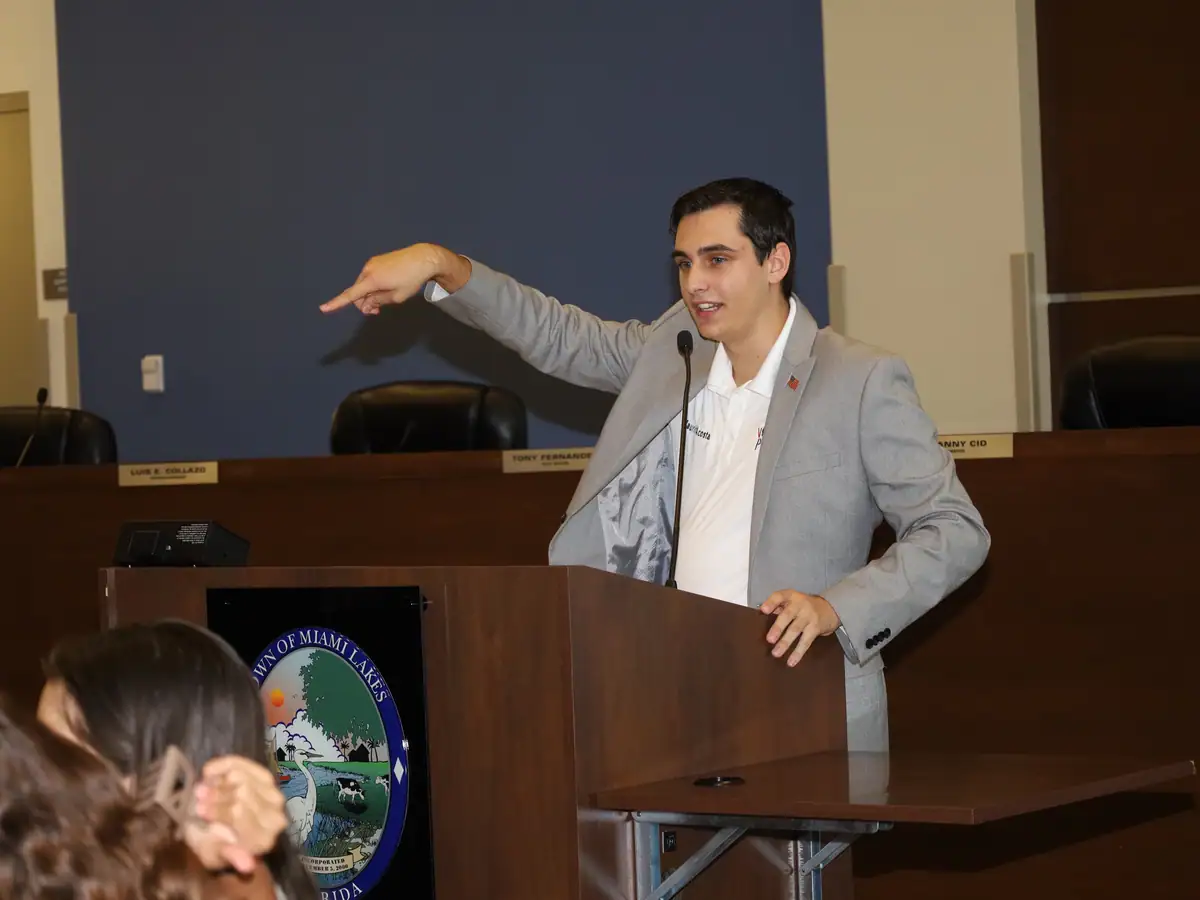
Founder Maurits Acosta teaches a constitutional concept at the first program the organization ever ran. -
2023
Competition and the microphone
The first Civic Knowledge Bowl turns civic content into something twelve schools prepare for and compete over.
The Civic Action Podcast launches, putting students across the table from the superintendent, school board members and institutional leaders.
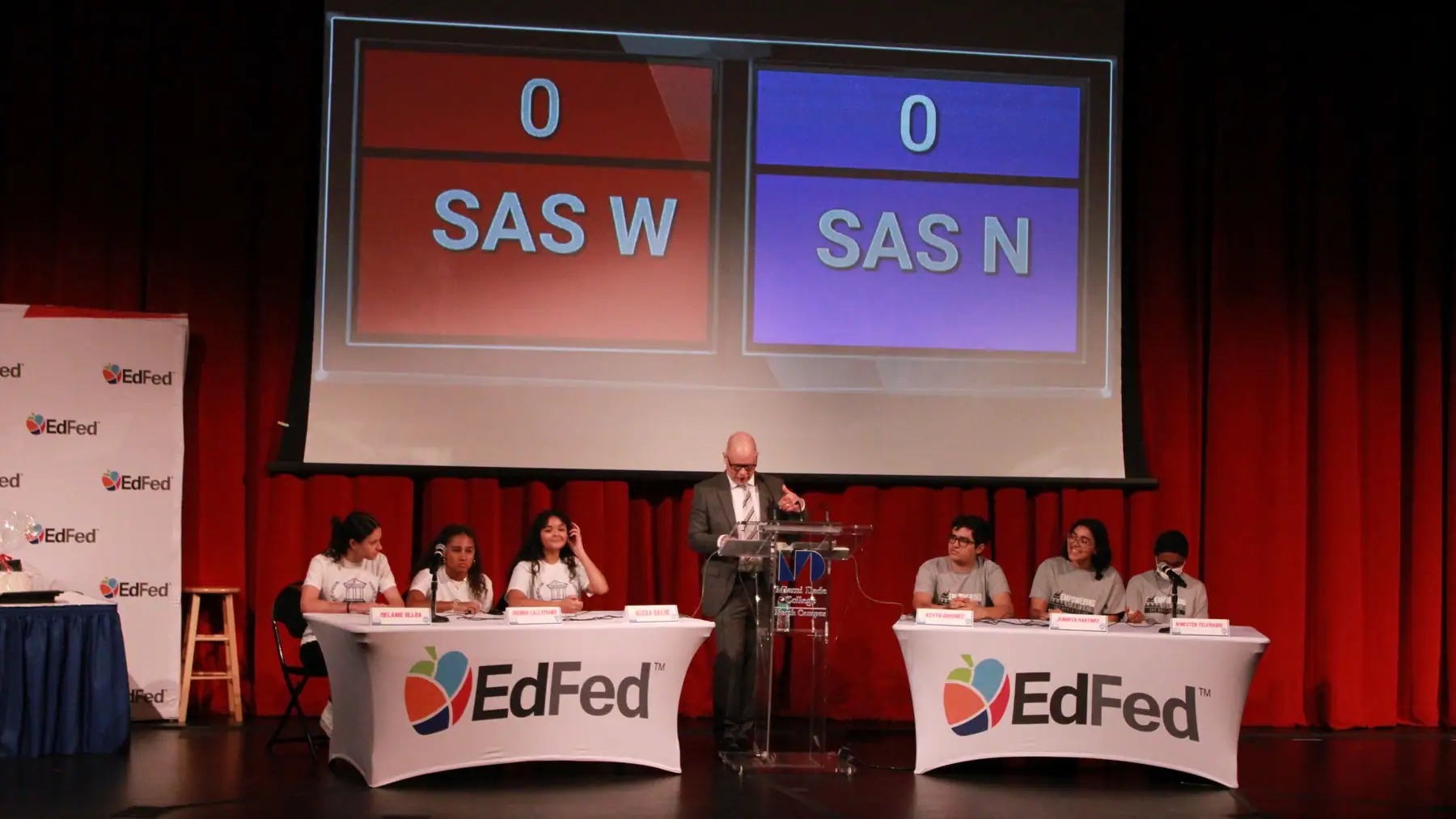
Two school teams face each other under a live scoreboard. -
2024
Inside the building
Youth Governance Day launches with thirteen participating municipalities and is officially proclaimed in Miami-Dade County. Students take the dais, the desk and the title for a day.
The Florida Student School Board Member Initiative begins. The first Civic Excellence Gala brings students, funders and elected officials into the same room.
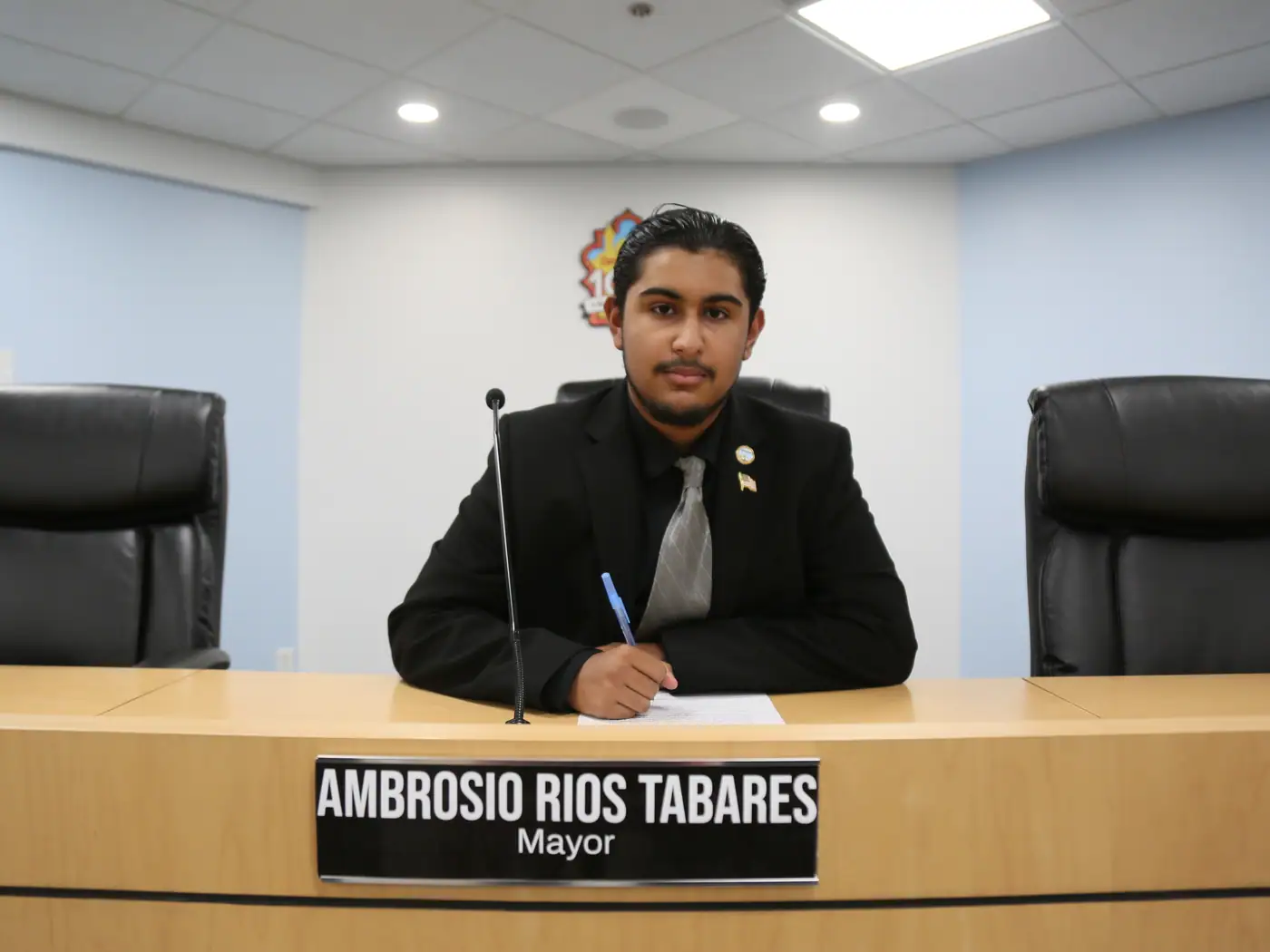
The mayor's seat, nameplate and all, occupied for the day. -
2025
A handoff and a fellowship
Maurits moves from executive leadership to Chairman of the Board on entering Harvard, and Clint John, Jr. becomes Executive Director as a high school freshman.
Youth Governance Day expands to nineteen municipalities. The Strive305 Economic Fellowship launches with Strive305 and the Miami-Dade County Office of Innovation and Economic Opportunity.
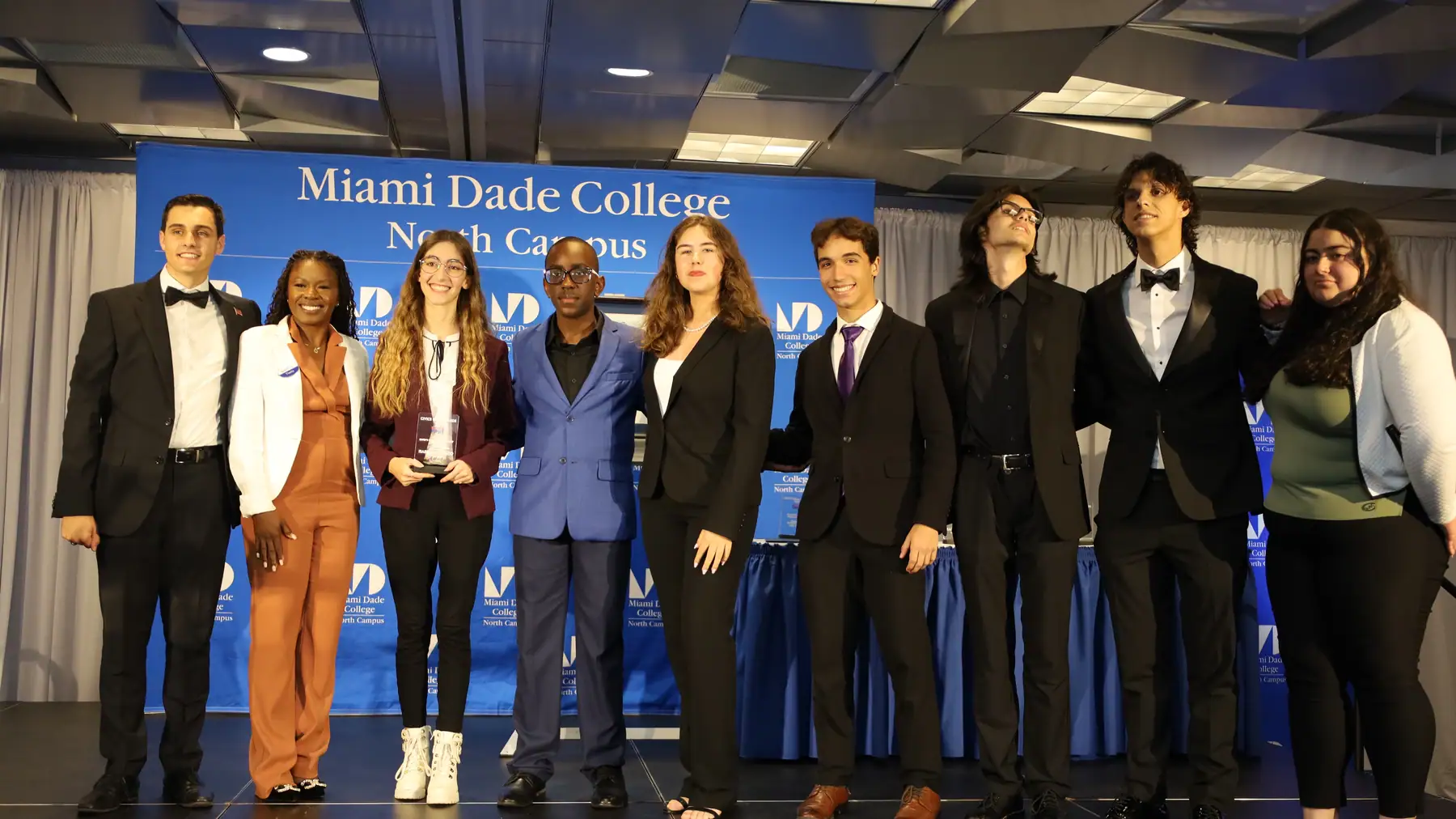
The student team recognized at the gala. -
2026
The work compounds
Civic Knowledge Bowl participation reaches twenty one schools. PUBLIC. opens a civic arts pathway for students whose voice is not a policy memo.
Fellows draft a Legacy Business Framework to protect long standing local businesses and present it to the Board of County Commissioners. The school board initiative reaches the state legislature.
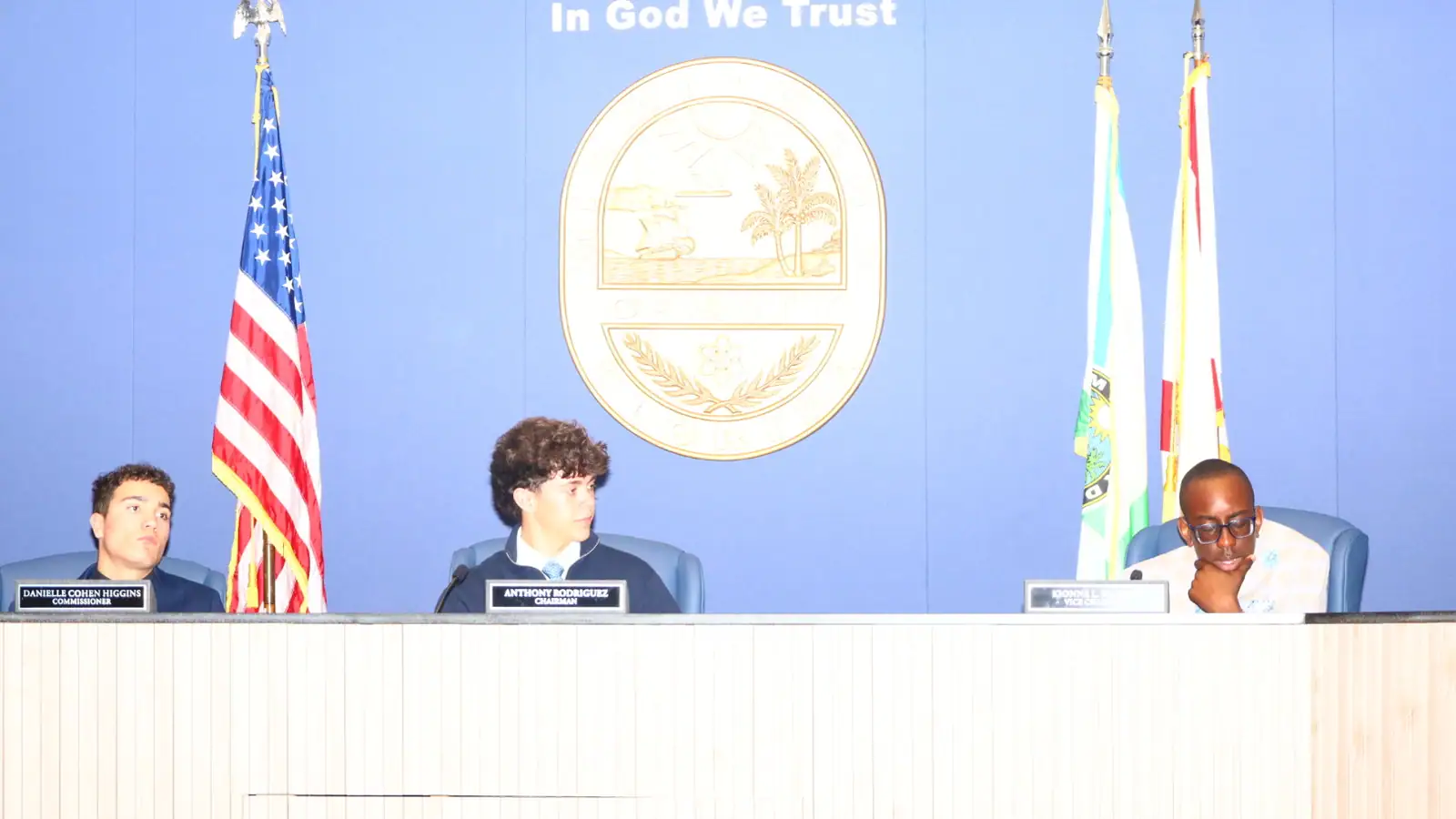
A fellow presides from the dais during the Board of County Commissioners simulation.
Then and now.
Growth measured against the organization's own starting point rather than against an ambition.
Civic Knowledge Bowl
12 → 21
schools competing. A seventy five percent increase.
Youth Governance Day
13 → 23
municipalities have hosted the program. Nineteen took part this year.
The archive.
Programming photographed across county chambers, municipal offices, a college campus, a newsroom, public libraries and the county elections operation.
Youth Governance DayThe mayor's seat, nameplate and all, occupied for the day. 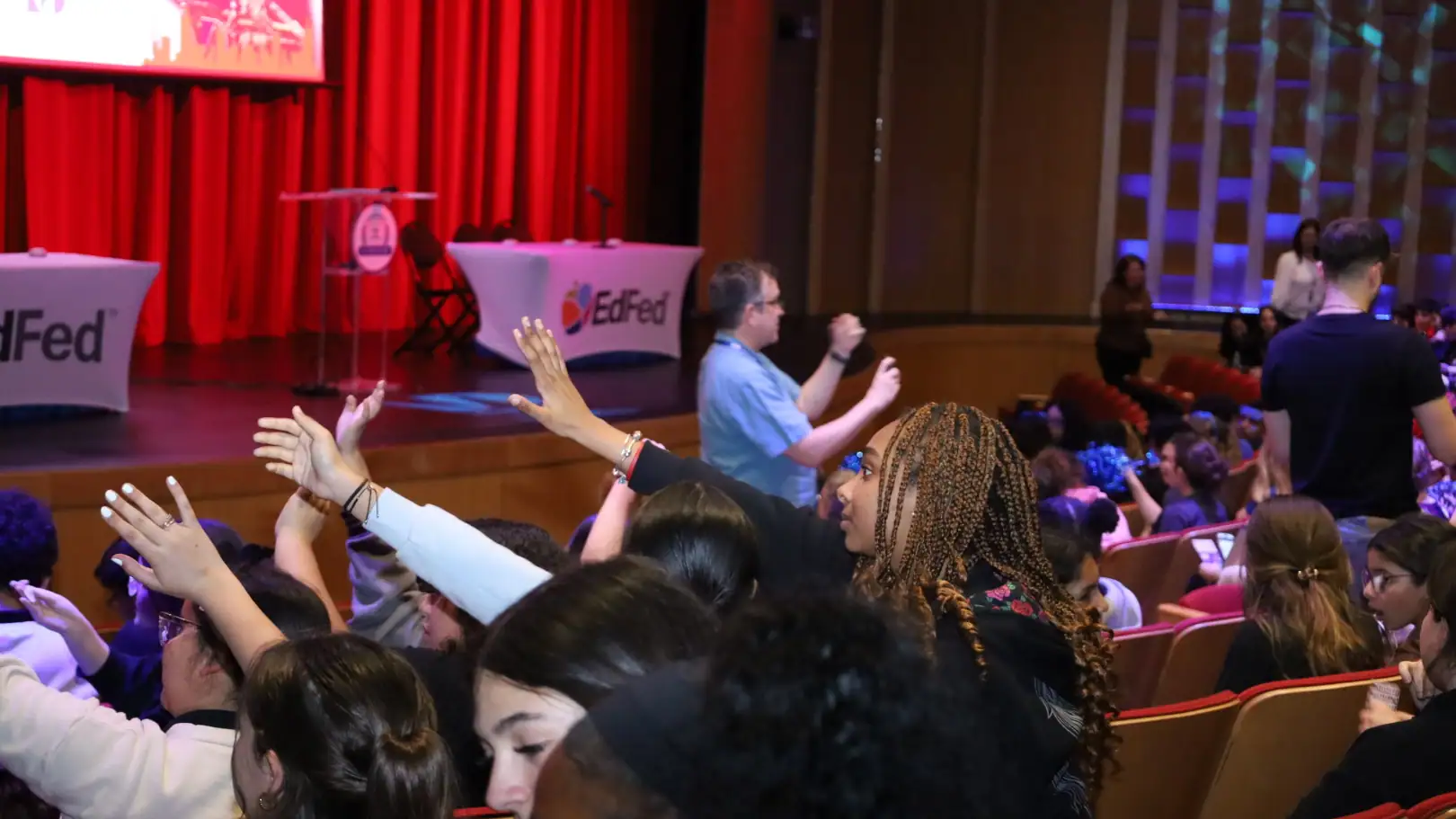
Civic Knowledge BowlThe auditorium at the 2026 finale. 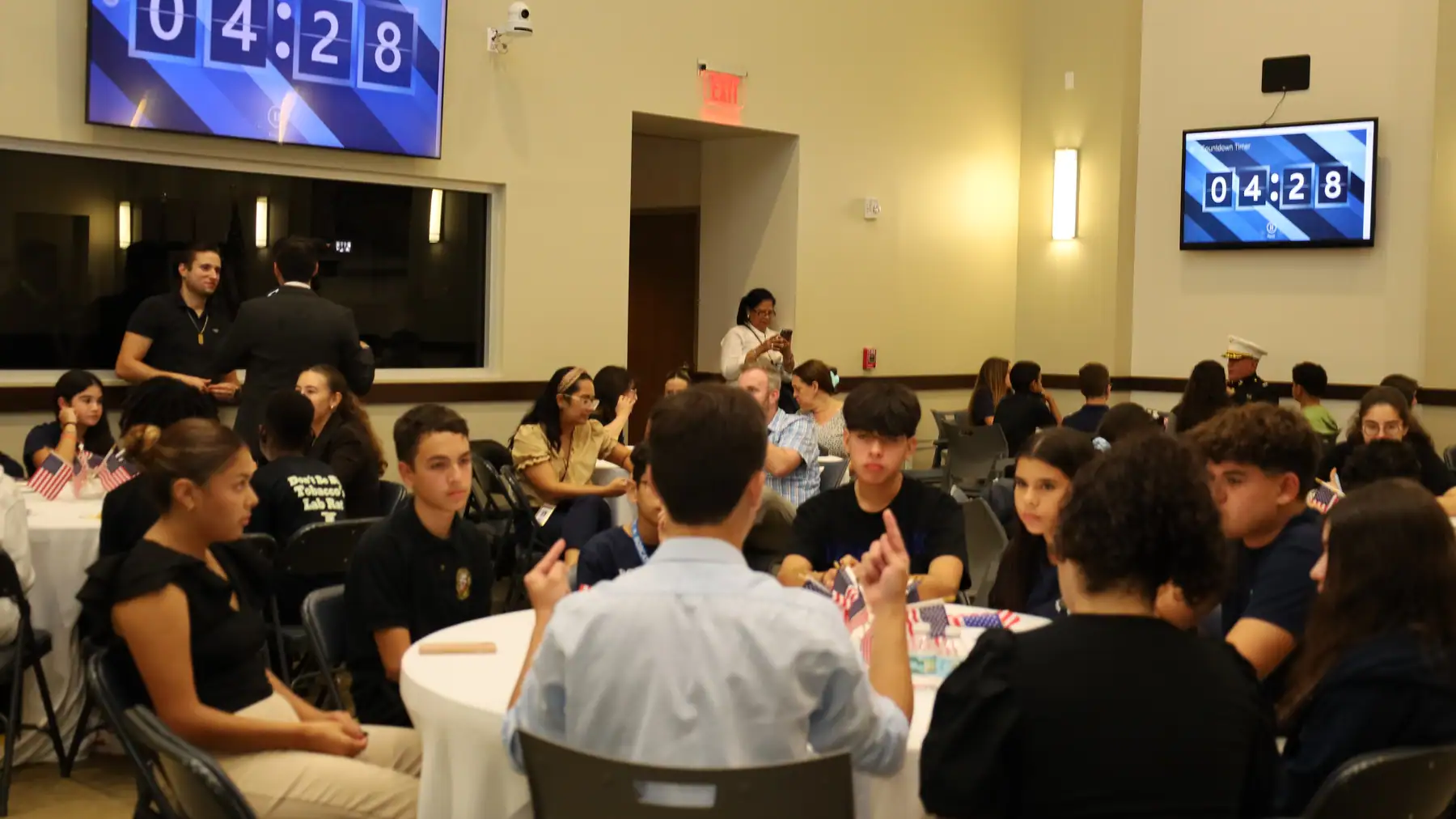
Constitution Day QuestA municipal chamber converted into learning stations. Strive305 Economic FellowshipA fellow presides from the dais during the Board of County Commissioners simulation. 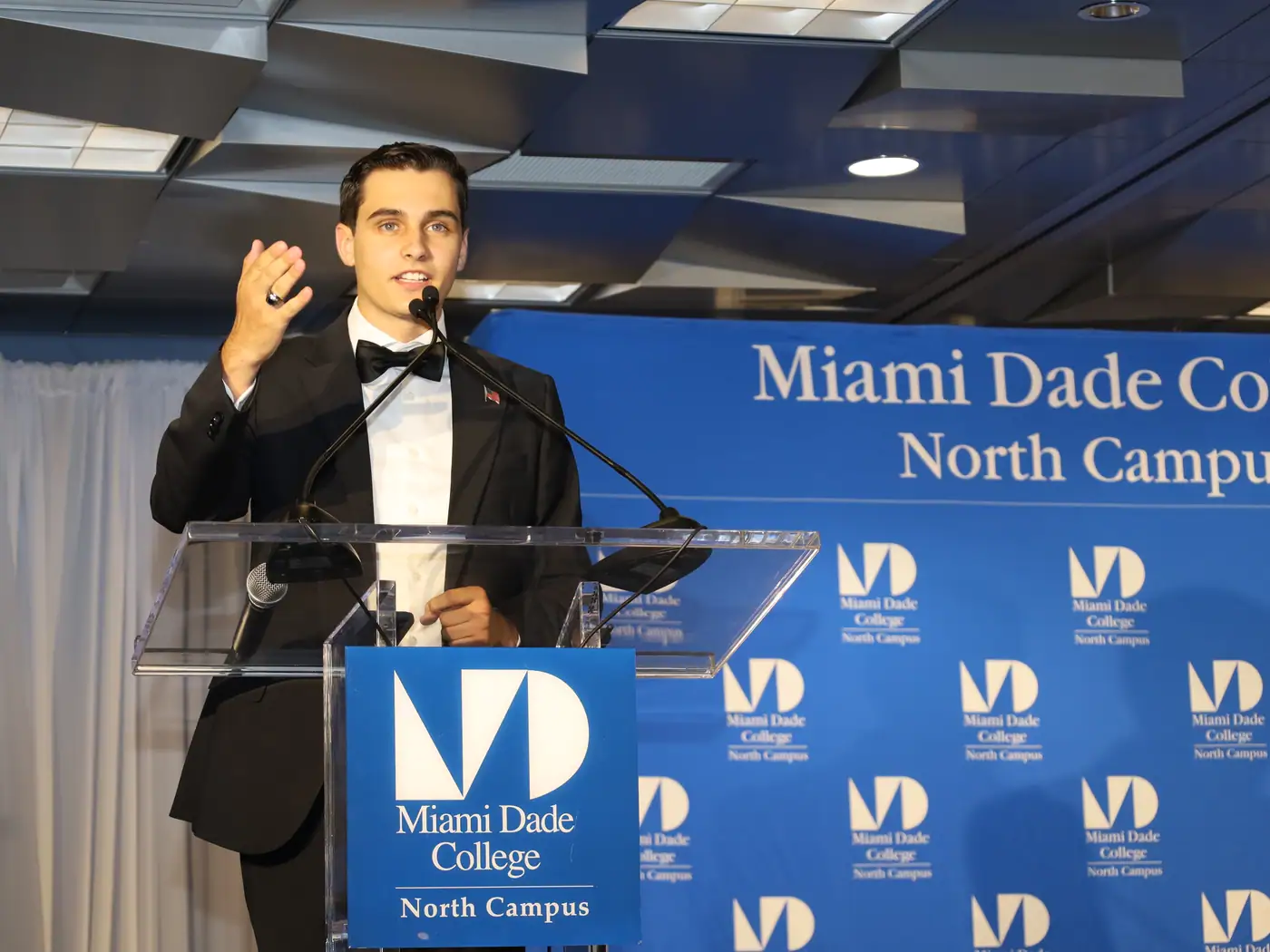
Civic Excellence GalaA student delivers the annual address. 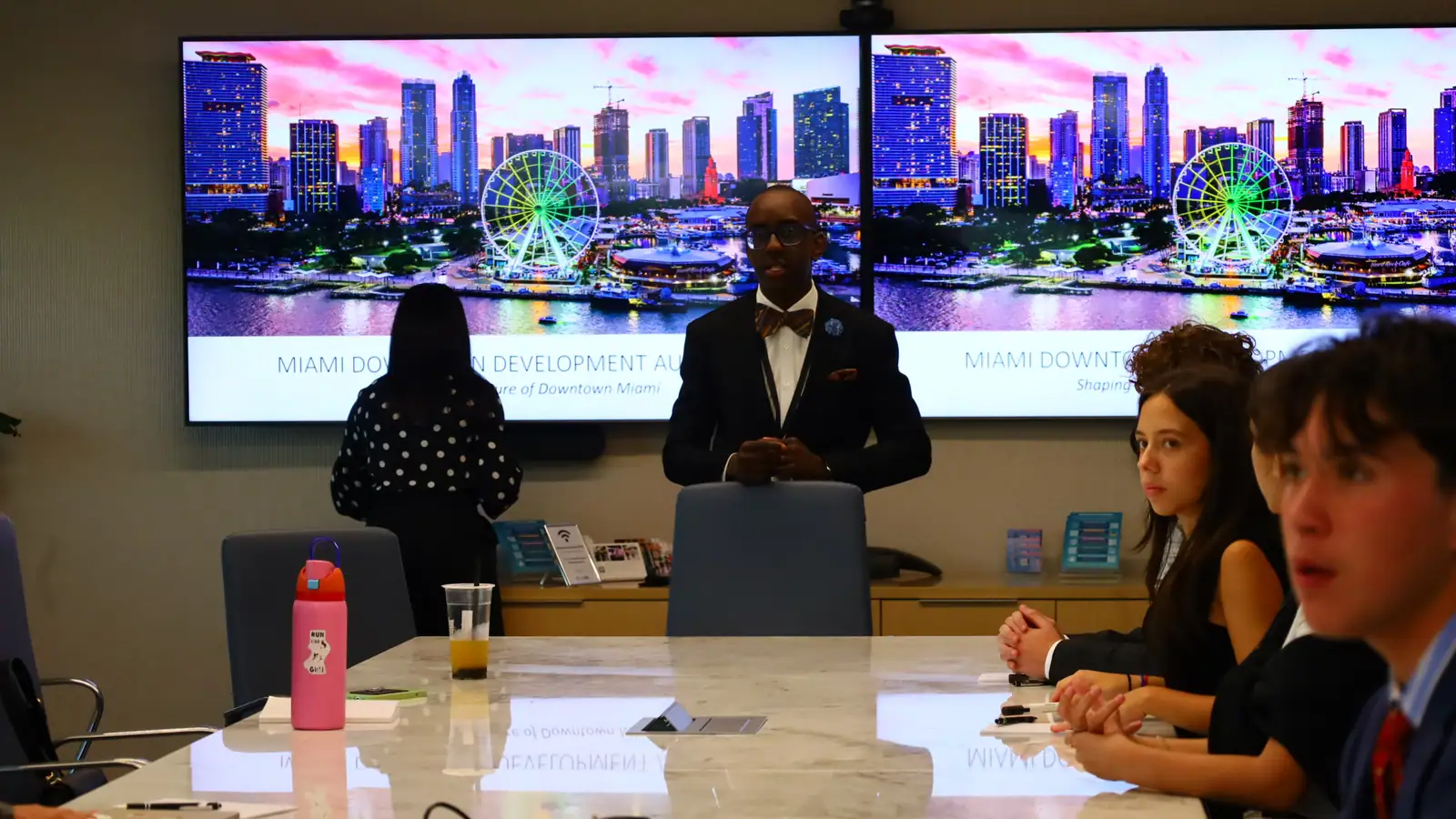
Strive305 Economic FellowshipFellows analyze the Brickell economy from a boardroom above it. Civic Knowledge BowlTwo school teams face each other under a live scoreboard. 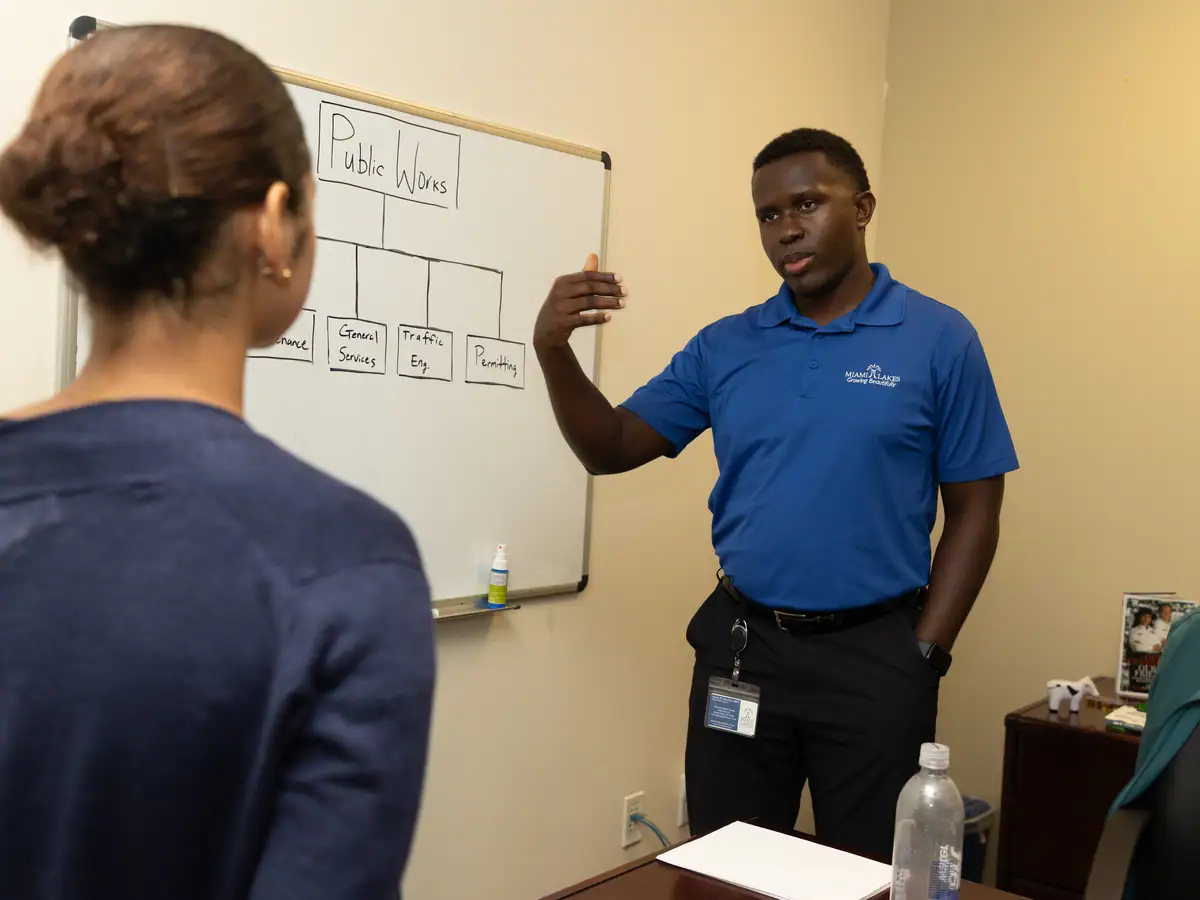
Youth Governance DayMunicipal staff walk through how the department is organized. 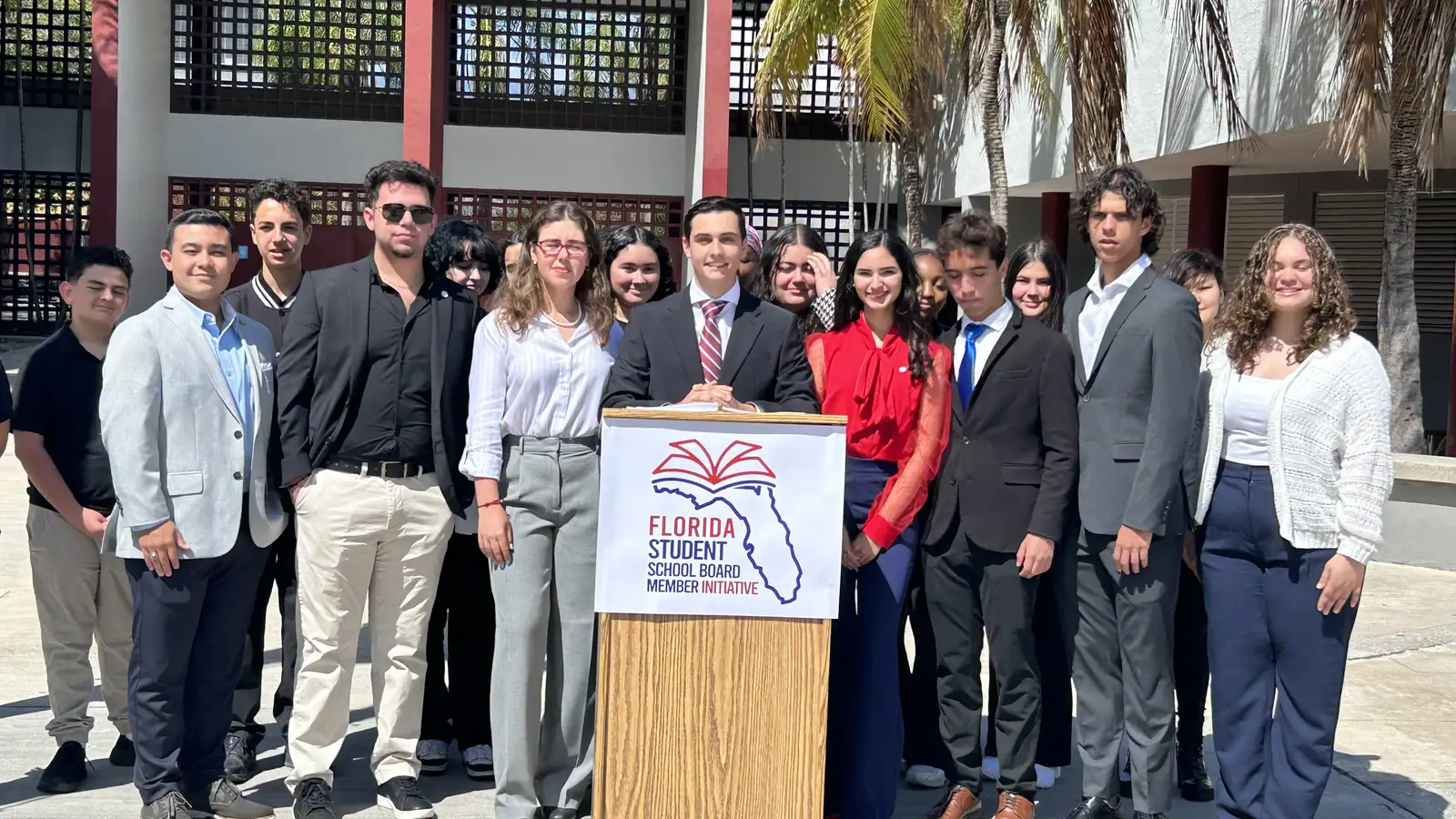
Student School Board Member InitiativeThe launch of the Florida Student School Board Member Initiative. 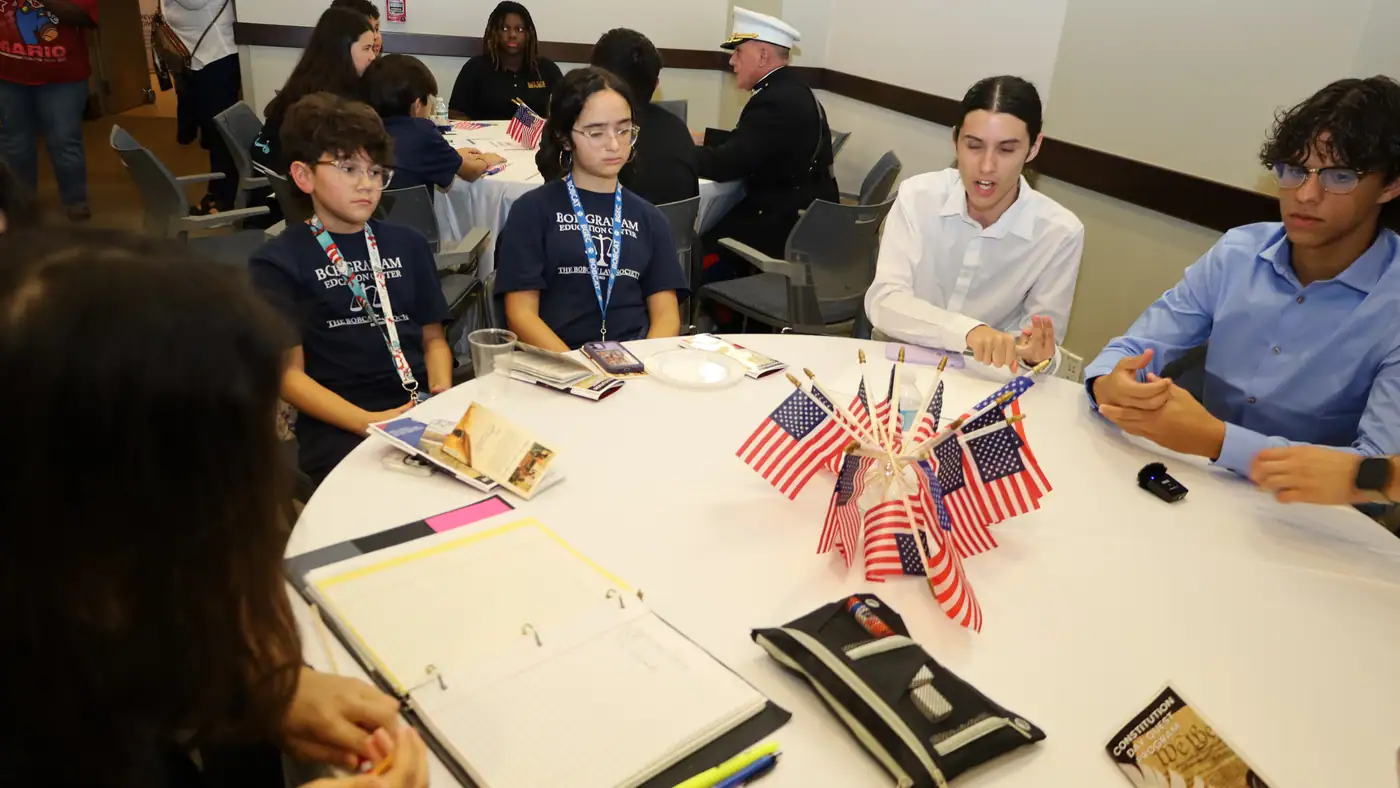
Constitution Day QuestA constitutional challenge station, worked in teams. 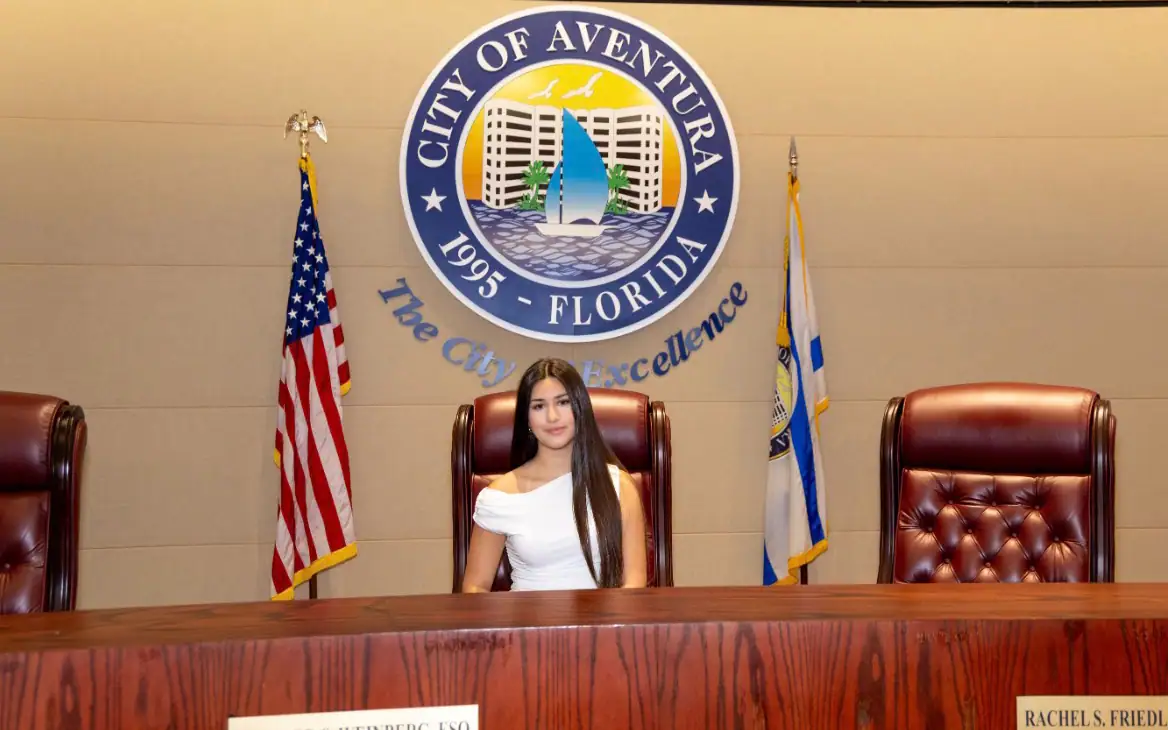
Youth Governance DaySeated at the commission dais of a participating municipality. 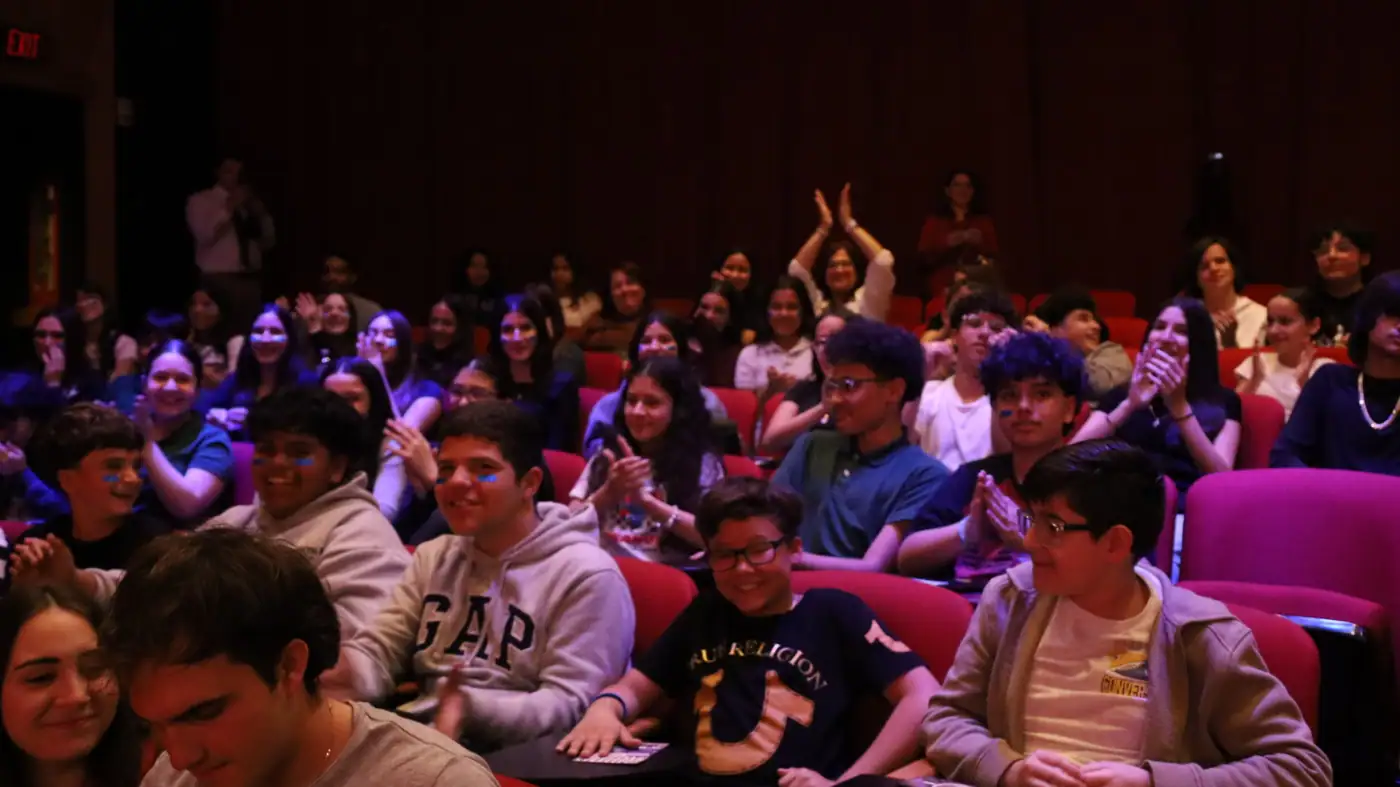
Civic Knowledge BowlStudents fill the hall for the finale. Civic Excellence GalaThe student team recognized at the gala. 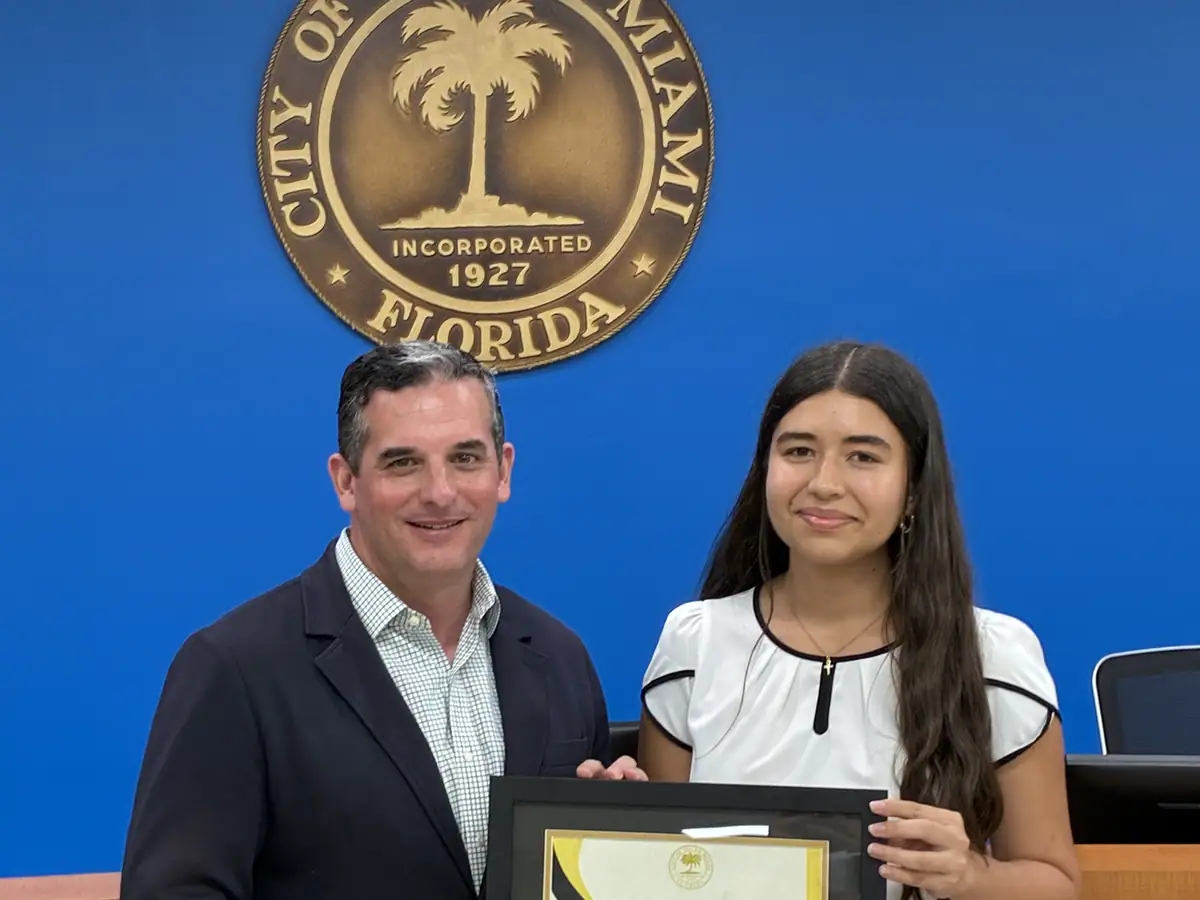
Youth Governance DayA formal municipal recognition, read into the record. 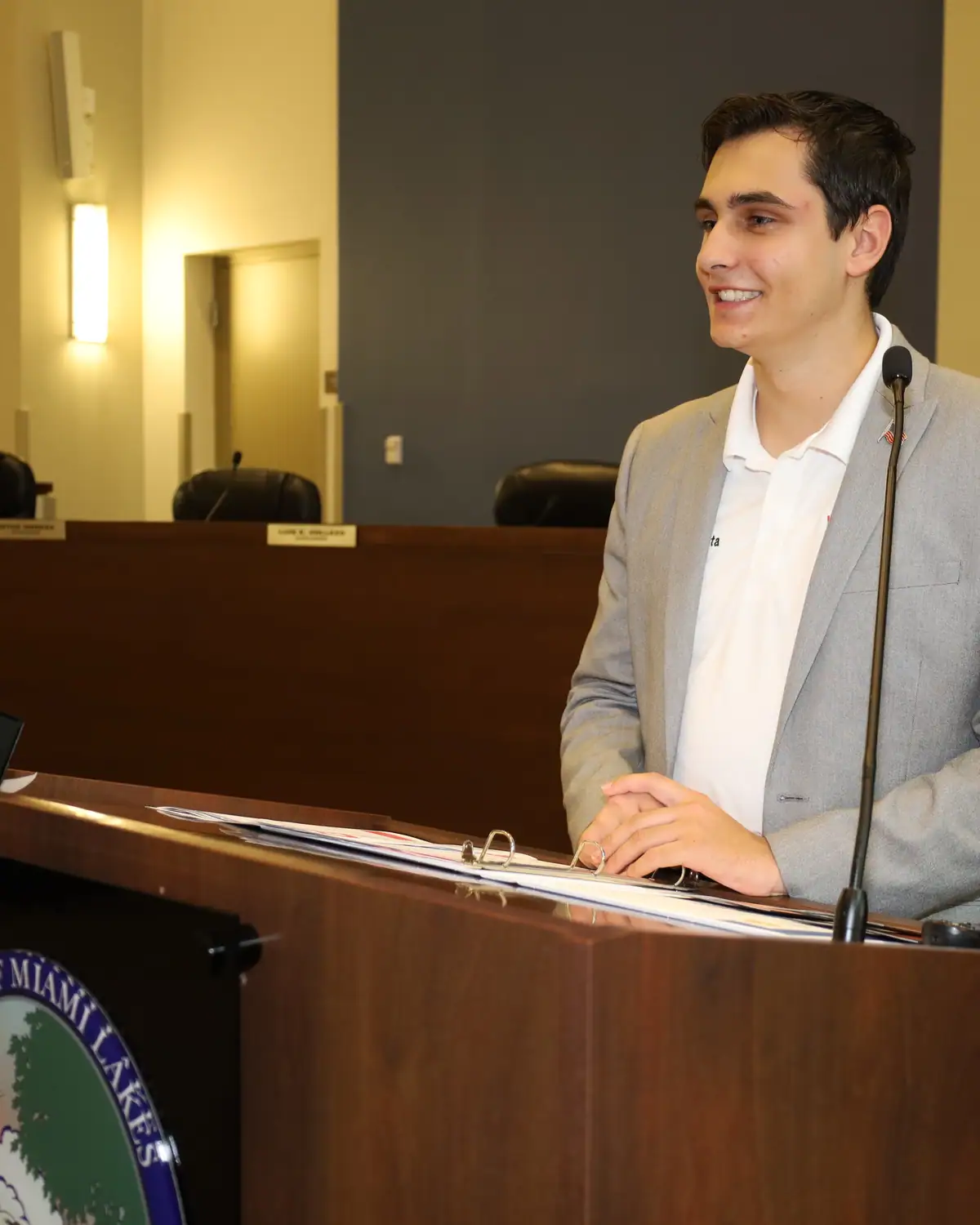
Constitution Day QuestA student volunteer runs the room from the municipal podium. 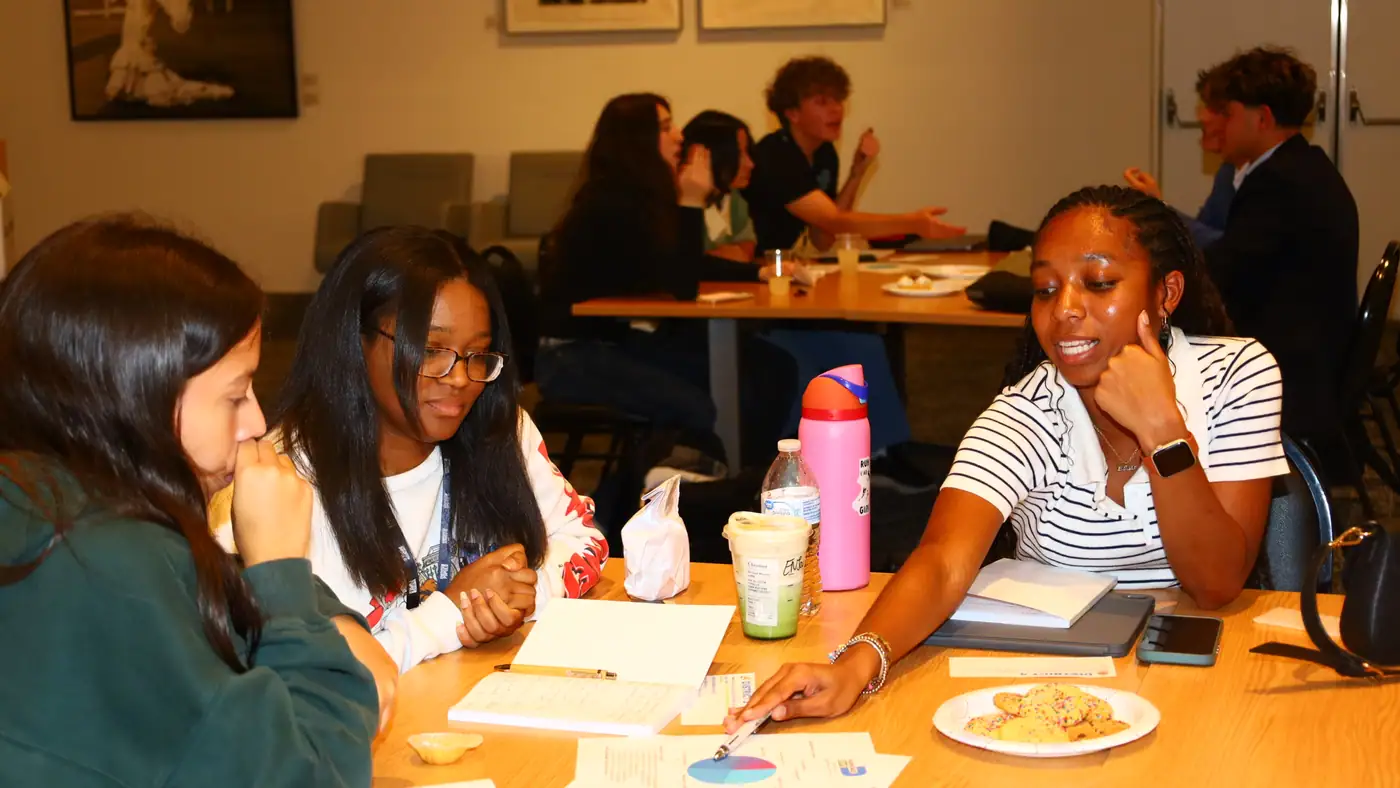
Strive305 Economic FellowshipA public library used as a workspace rather than a lecture hall. 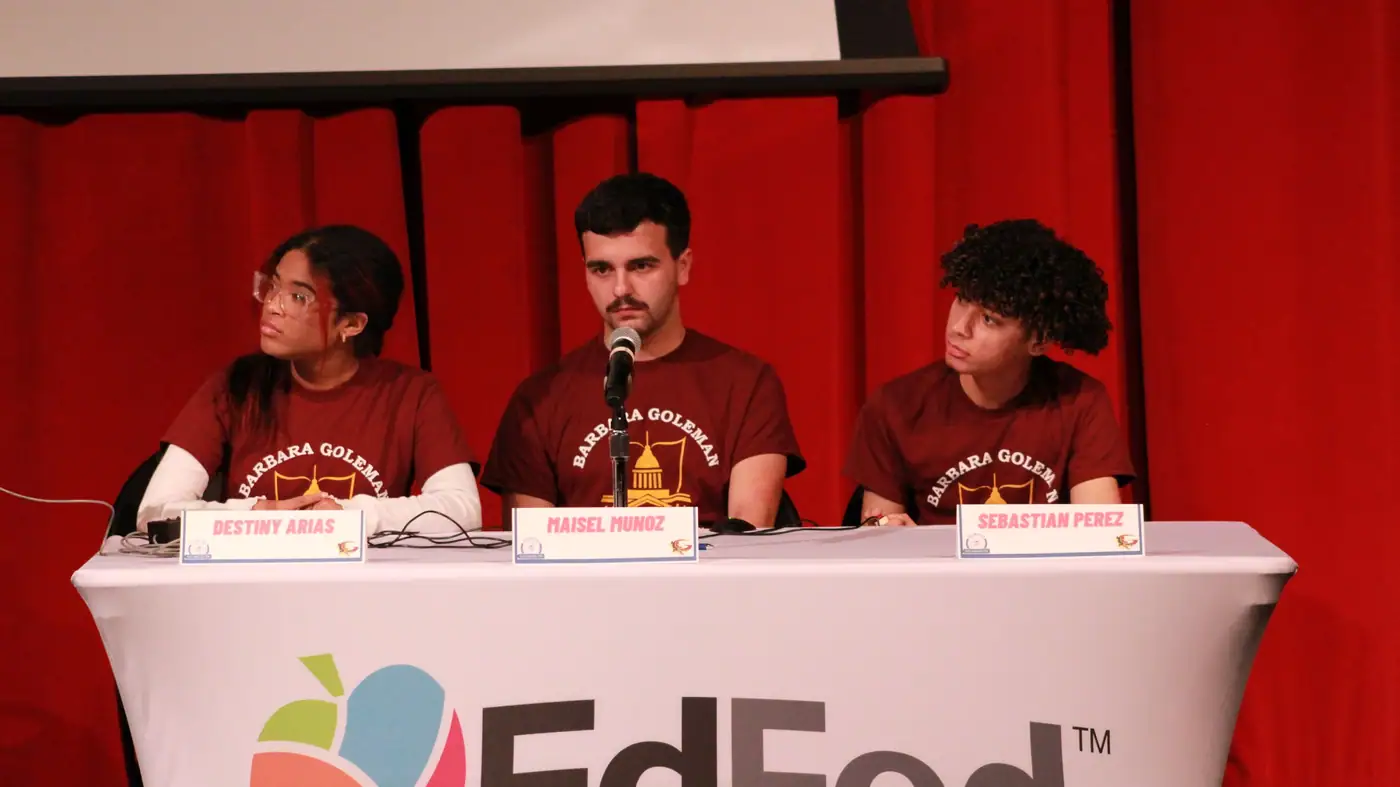
Civic Knowledge BowlCompetitors confer between questions. 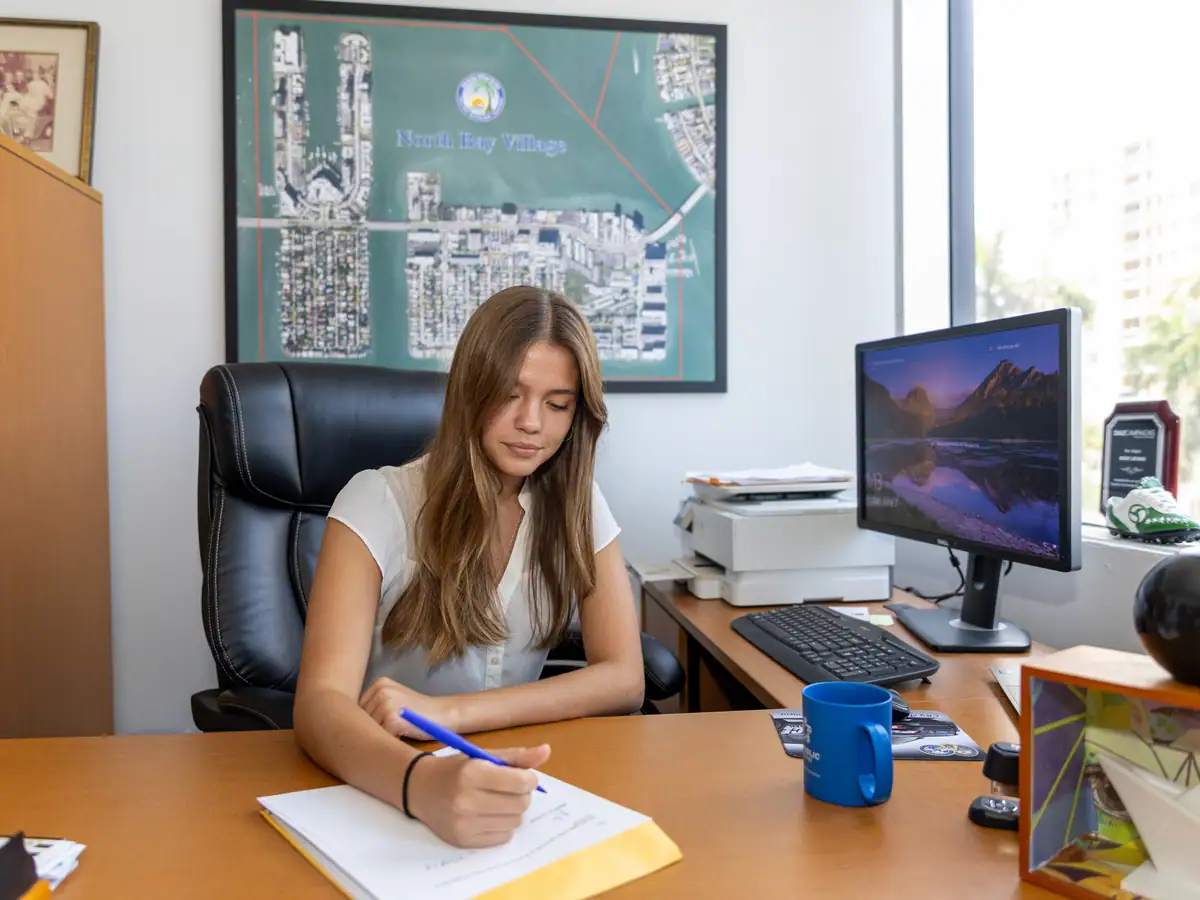
Youth Governance DayWorking from a municipal office desk, city map on the wall. 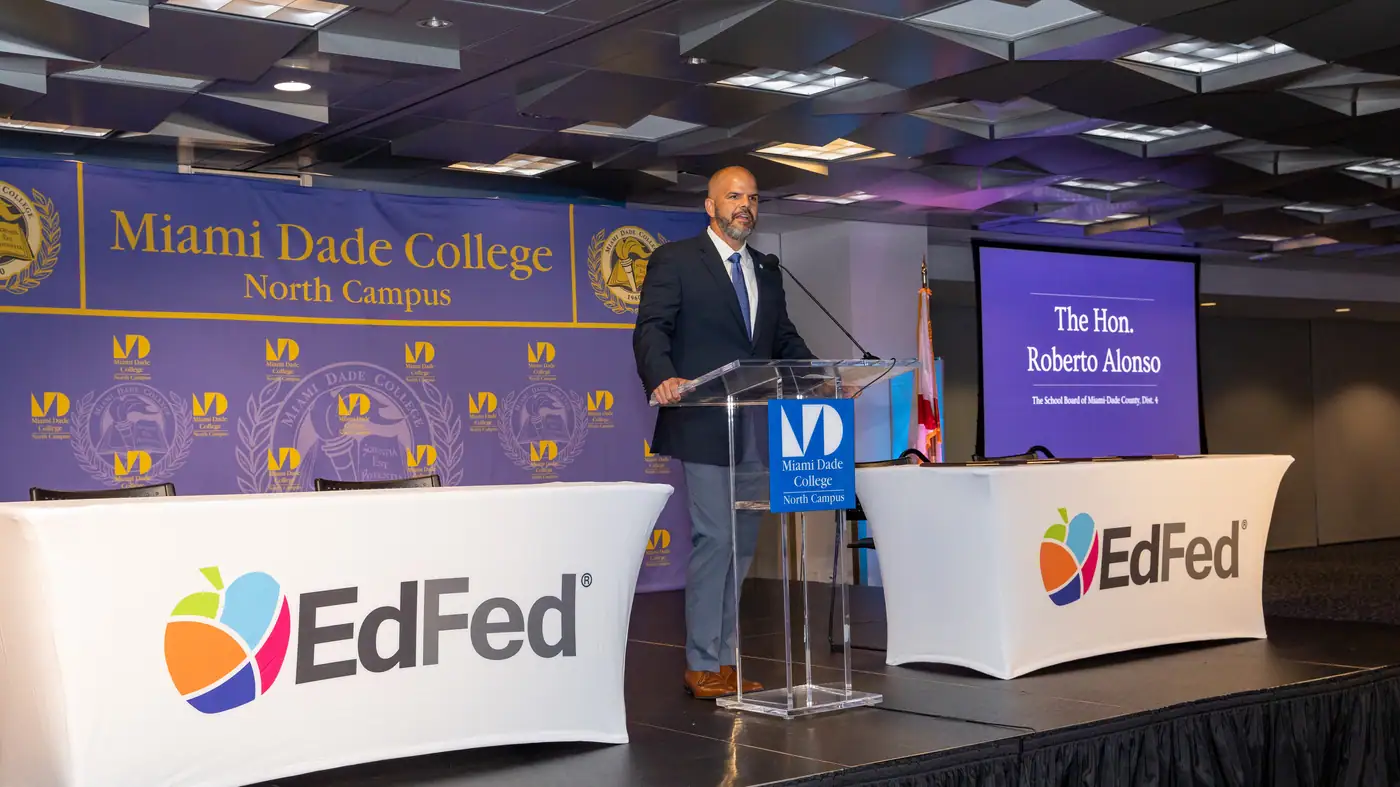
Night of Global EngagementRemarks from the podium. 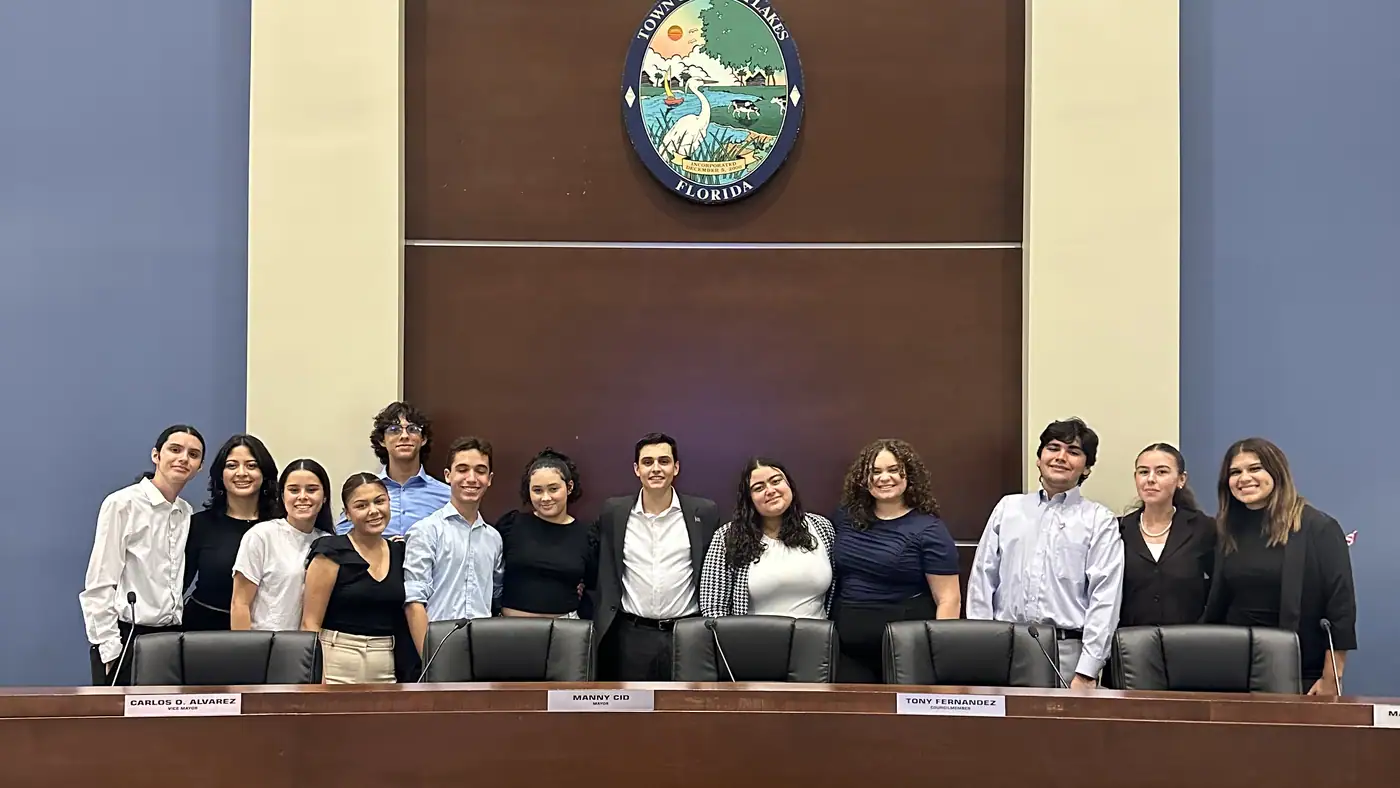
Constitution Day QuestTaking the dais to present a group ruling. 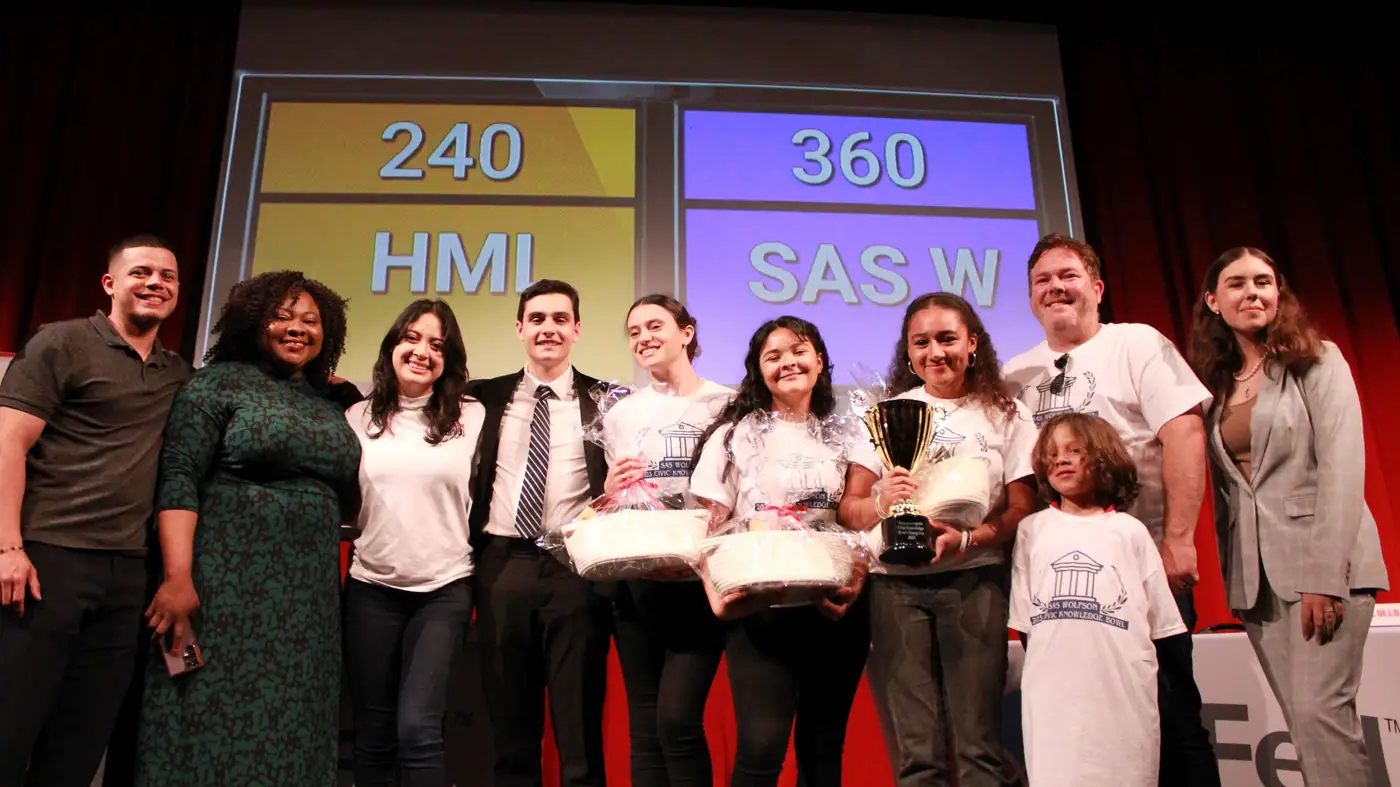
Civic Knowledge BowlA winning school team recognized on stage. 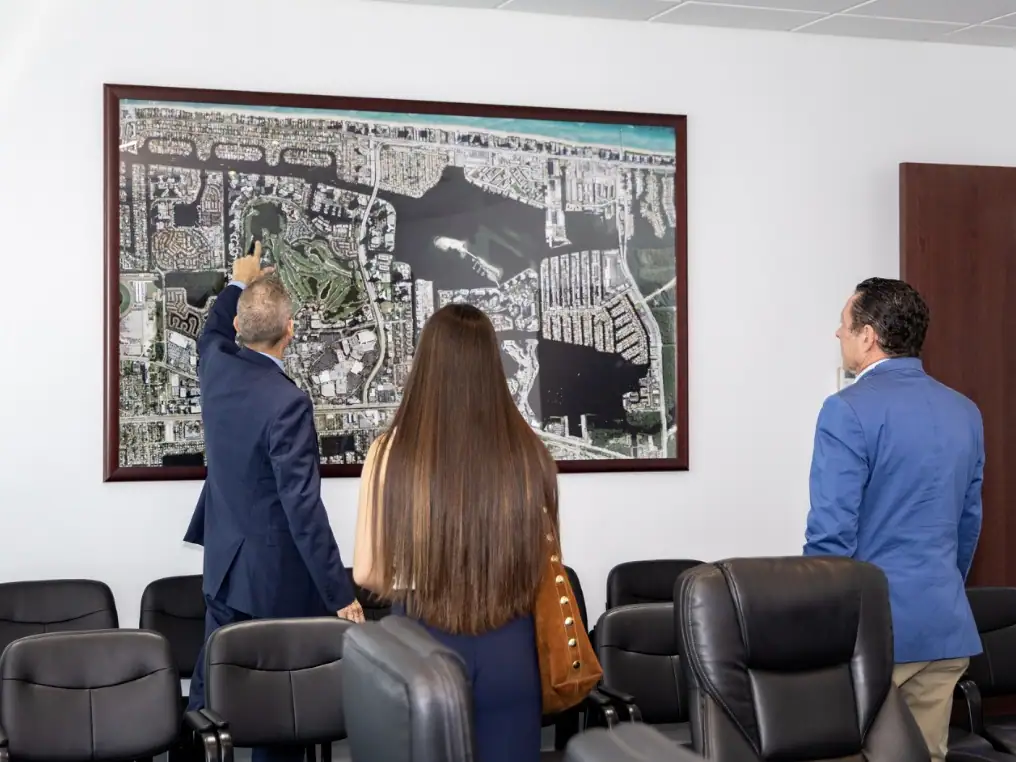
Youth Governance DayStudying a municipal planning map with city staff. 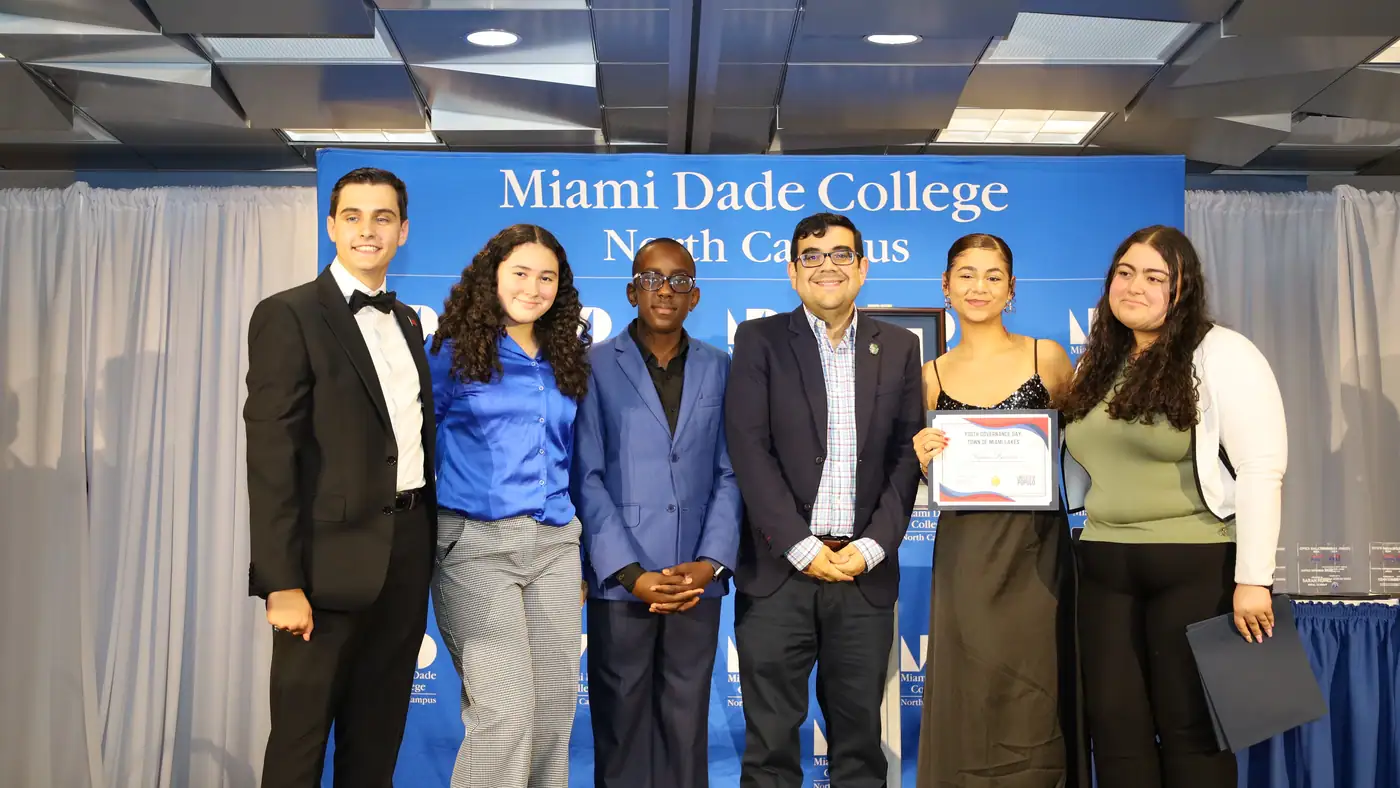
Civic Excellence GalaStudents recognized for civic contribution during the year. 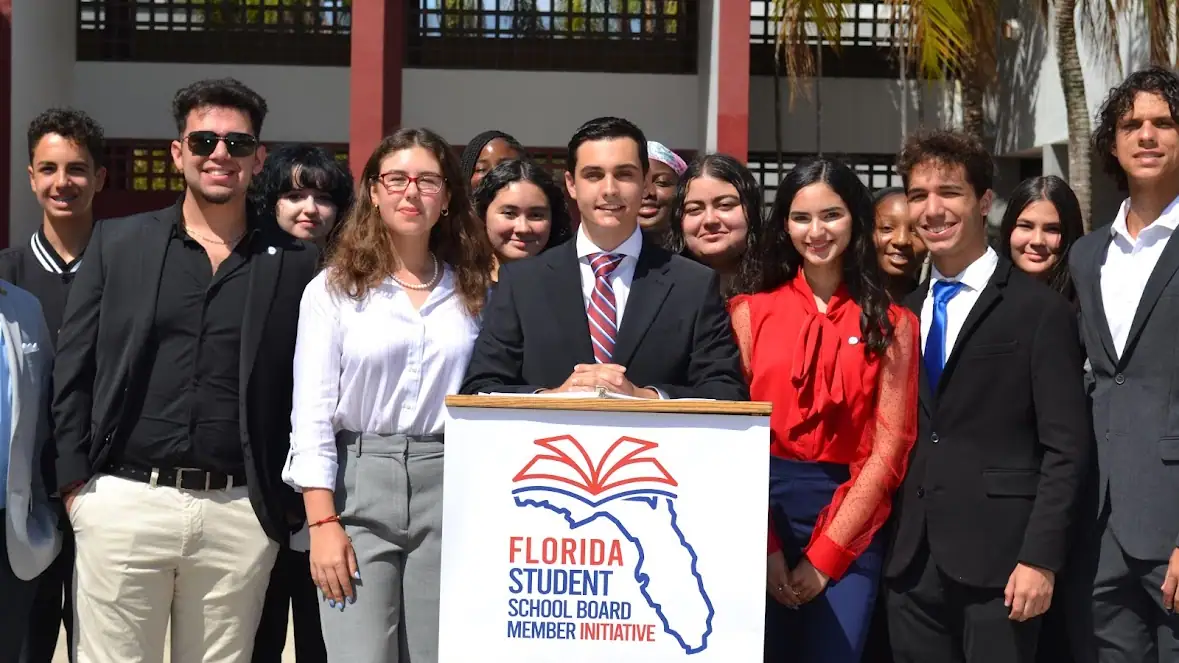
Student School Board Member InitiativeMaking the case for student representation on school boards. 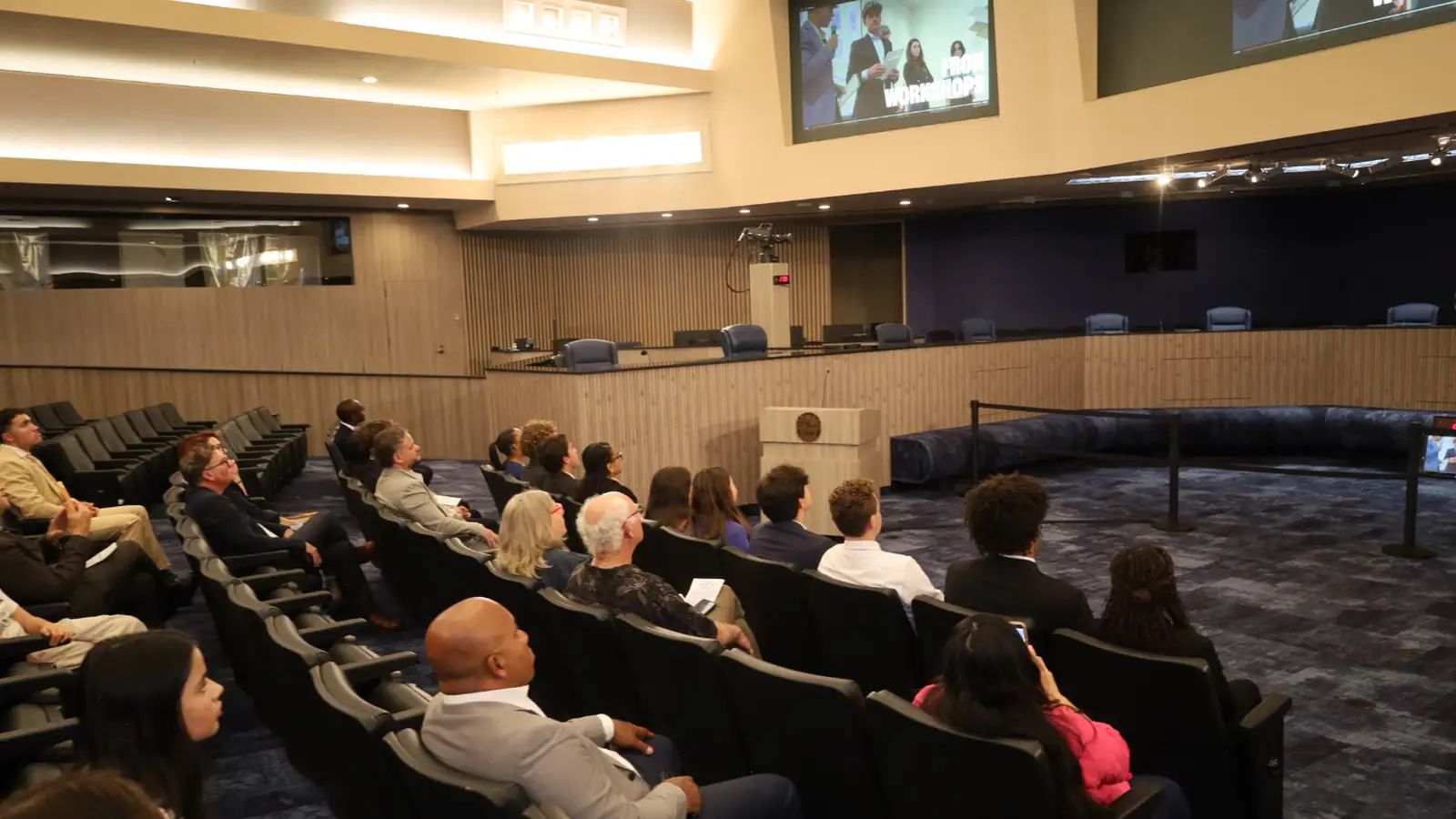
Strive305 Economic FellowshipGraduation, held in the county commission chambers. 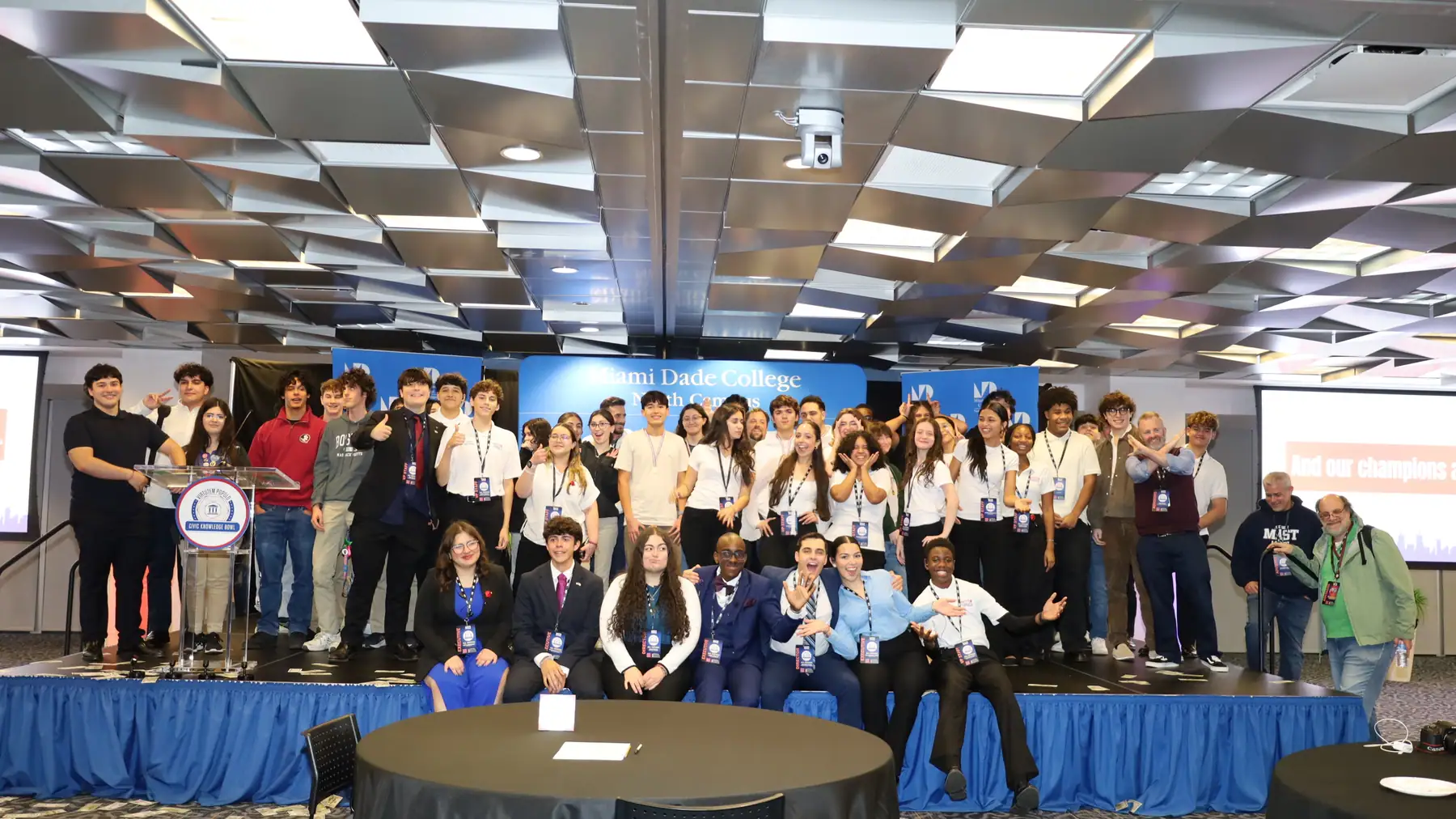
Civic Knowledge BowlEvery competing school team at the 2026 preliminary rounds. Constitution Day Quest, 2022Founder Maurits Acosta teaches a constitutional concept at the first program the organization ever ran. 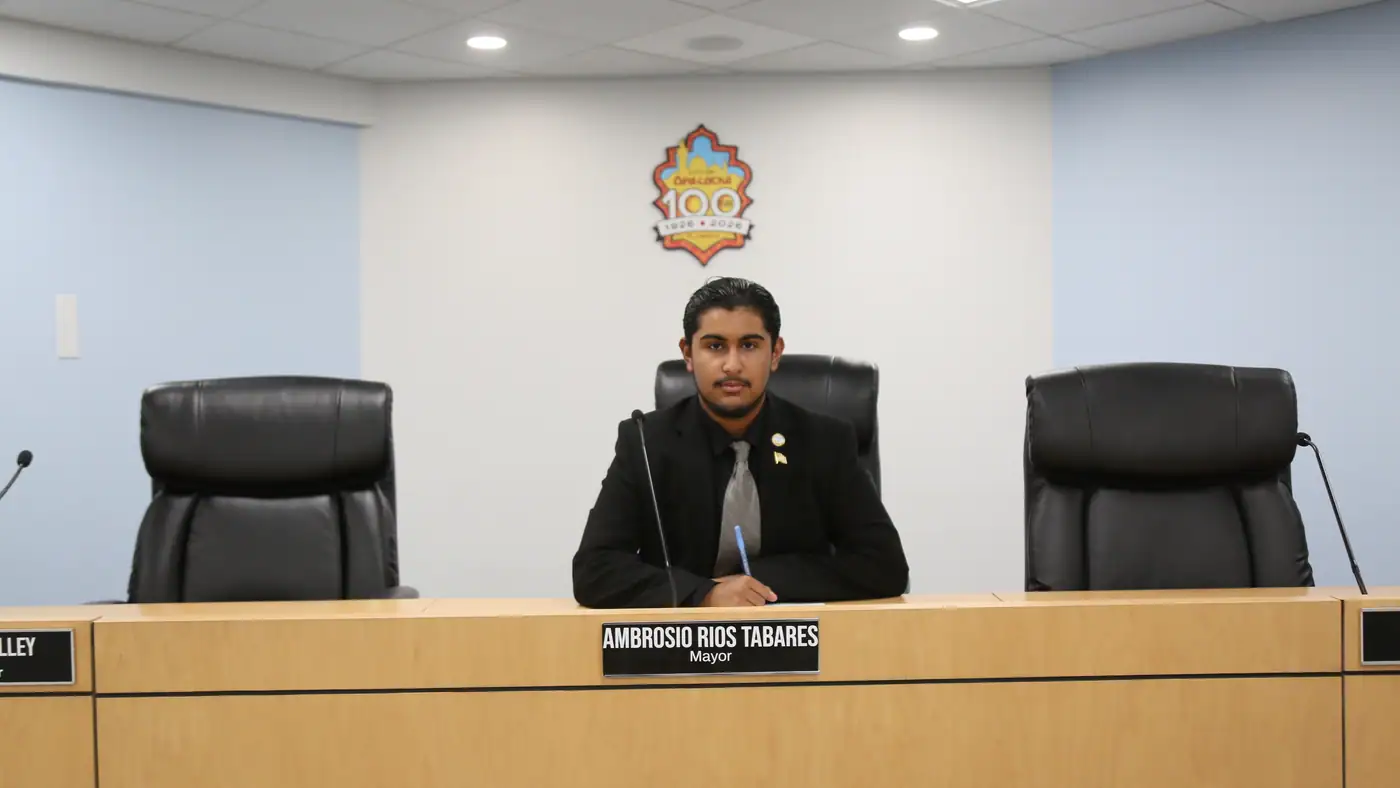
Youth Governance DayPresiding from the center chair of a council chamber. 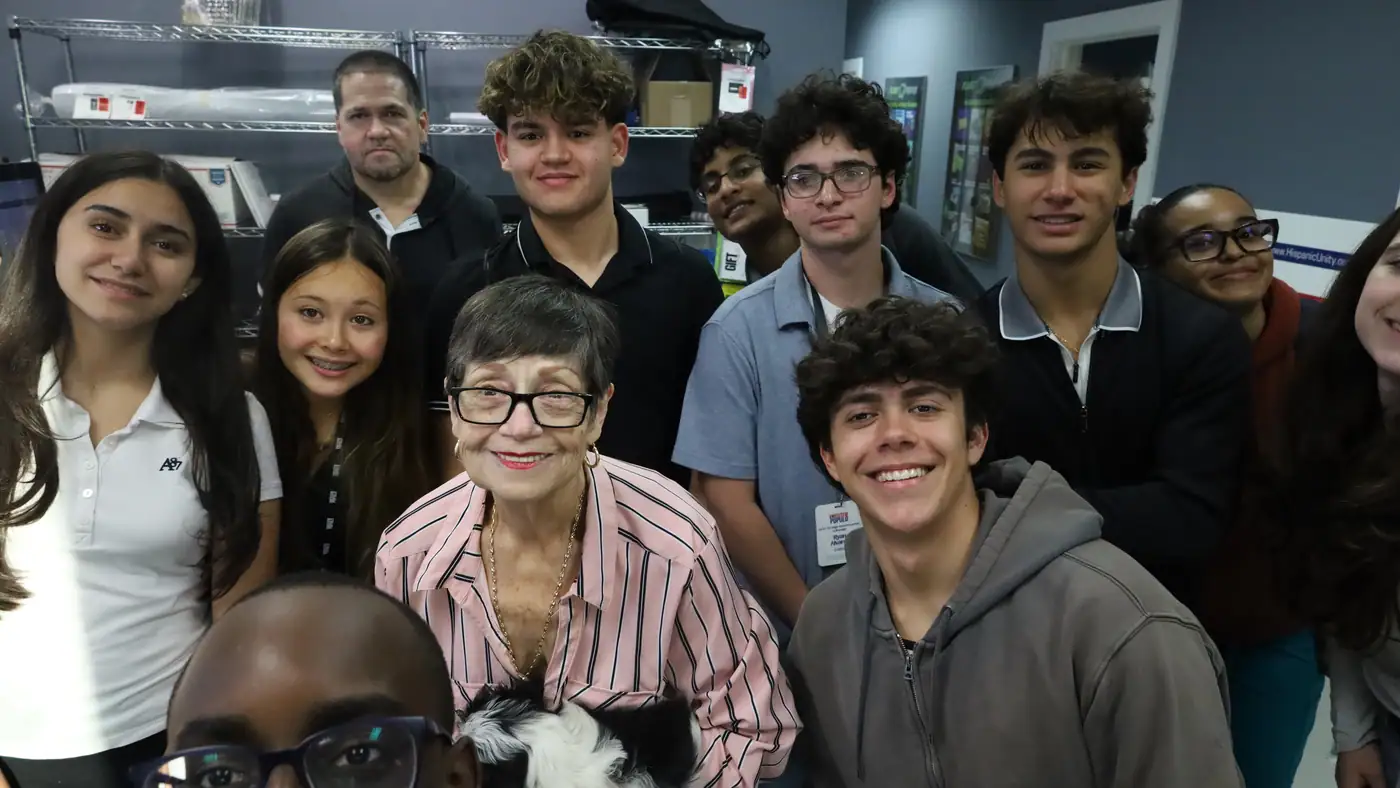
Strive305 Economic FellowshipFellows tour a neighborhood print shop and its economics. 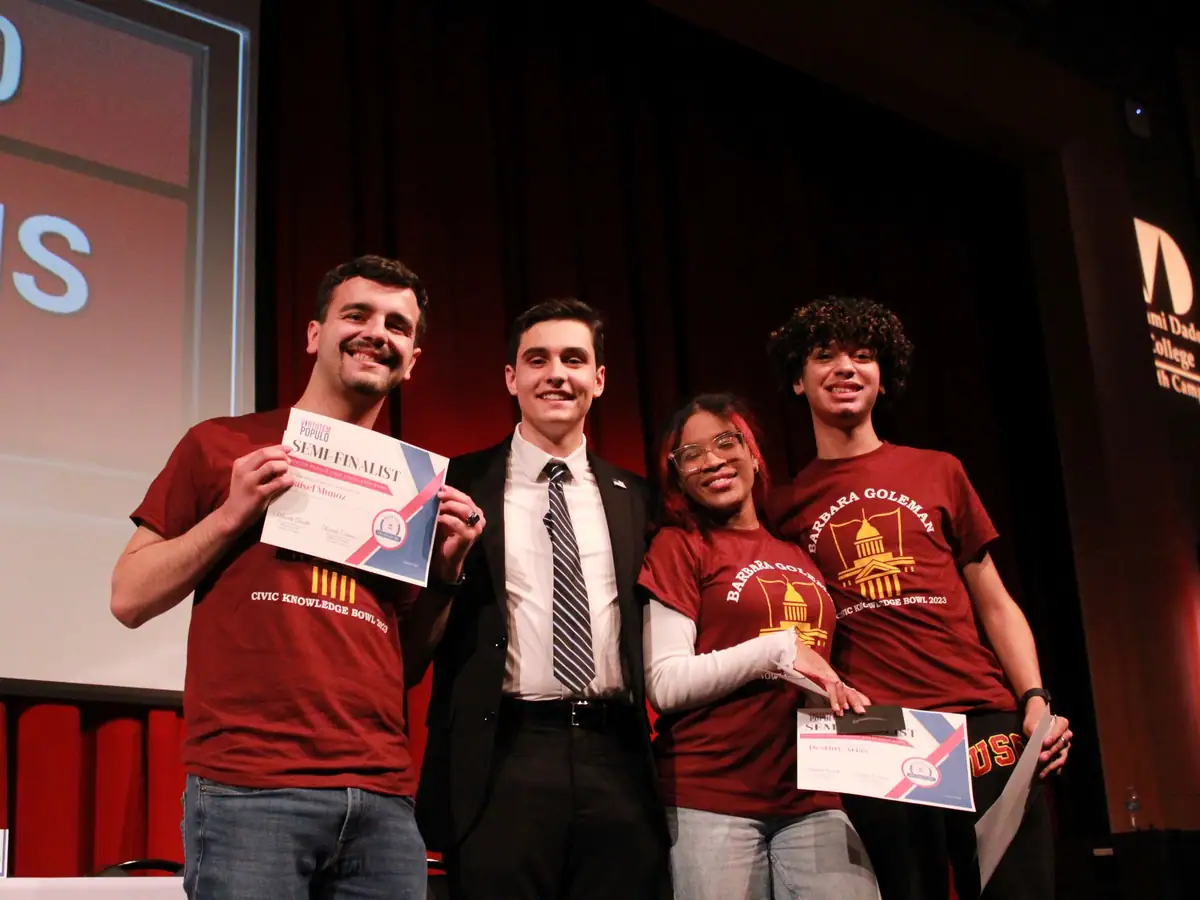
Civic Knowledge BowlCompetitors with their school trophy.
The next chapter
Built in Miami-Dade. Designed around a belief that travels.
Miami is the classroom. County Hall, municipal chambers, PortMiami, neighborhood businesses, public libraries, schools, newsrooms and arts spaces are where the learning happens.
The idea underneath is portable. Young people learn civic life by participating in it, and any community with institutions willing to open a door can test that.